As the coronavirus spreads, here are steps you can take to avoid contracting it

As of At least 25 people, who were infected by the coronavirus, have died so far as the disease continues to spread. The virus, which originated from the Chinese city of Wuhan, has already started to spread far and wide, with cases emerging from Japan, North Korea as well as the United States.
Though it has not been declared as an international emergency, the National Institute of Health (NIH), as well as international health bodies including the World Health Organization (WHO) and United Kingdom's National Health Service (NHS) have issued public advisories listing preventive measures which should be taken to prevent the spread of the virus.
Here are a few simple measures you can take to avoid being infected:
Wash your hands regularly for no less than 10 seconds with soap and water. Using an alcohol-based sanitiser is also advised.
Wear a facemask and avoid close contact with anyone with a cough or flu. Fever, cough and respiratory problems have been identified as early symptoms of coronavirus.
If you have any of the above symptoms, contact a doctor at the earliest.
Cover your mouth and nose with your hand or tissue while coughing or sneezing to protect other people from germs. Discard the tissue immediately and wash/sanitise your hands.
While visiting a live market in an area where the virus has been detected, avoid contact with animals.
Avoid eating undercooked meat. Raw meat should be handled carefully in order to avoid contamination.
So far, no vaccine has been developed to prevent the virus, which makes it all the more important to take measures to avoid being infected. In order to prevent the virus from spreading further, the Chinese government has shut down 13 cities, putting millions of people under lockdown.
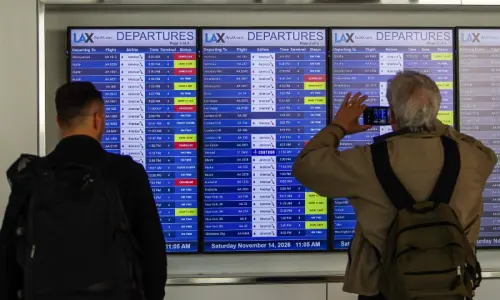
Airports across the world have started screening passengers flying in directly from China.
WHO has given guidance to hospitals worldwide about infection prevention and control in case the new virus spreads. There is no specific treatment for the new virus, but anti-virals are being considered and could be "re-purposed", said Maria Van Kerkhove, acting head of WHO’s emerging diseases unit.
With the Chinese New Year approaching on January 25, when many Chinese tourists visit Thailand, the WHO called on Thai authorities, the public and holidaymakers to be on alert.
Meanwhile, in Pakistan, the Ministry of National Health Services, Regulations and Coordination have alerted the Disease Surveillance Division and Central Health Establishment to the possible spread of the coronavirus.
According to the National Health Services, the notification has been issued in response to the international alert on the virus, which has spread from seafood and animals to humans. It has also been advised that people who recently visited China should also be tested for presence of the virus.