Child protection courts in KP dispose of around 450 cases


 0
0


PESHAWAR: The child protection courts of Khyber Pakhtunkhwa have disposed of 448 cases against the institution of 356 cases during the first quarter of the ongoing Judicial Performance Year from Sept to Nov 2019.
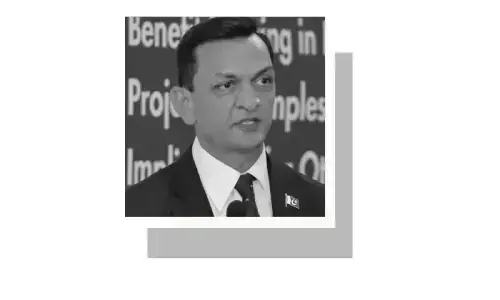
Peshawar High Court registrar Khawaja Wajihuddin told a news conference here on Saturday that a total of 986 cases were pending with the child protection courts in Peshawar, Mardan and Abbottabad at the start of the Performance Year 2019 in Sept and the number went down to 601 by the end of Nov.
He said those courts disposed of 228 cases in Sept, 120 in Oct and 100 in Nov last year.
The registrar said the model courts functioning in 35 districts disposed of 17,166 cases in the first quarter of the , including 4,884 by the model criminal trial court, 5,708 by the model civil appellate court and 6,574 by the model trial magisterial court.
PHC registrar says govt released only 25pc of required funds
He said 40 awards were given away to the province’s judicial officers on marvelous performance in model courts by Supreme Court.
Mr Wajihuddin said for the first time, the performance of PHC Chief Justice Waqar Ahmad Seth was released with the average number of his judgments last year was 15.95 daily compared with 12.31 daily before he assumed the office.
He highlighted the measures and achievements of the district judiciary and Peshawar High Court.
“Judicial autonomy and transparency in the justice system remained the top priority, while special attention was also given to protection of human rights,” he said.
The registrar said the Judicial Reform Strategy 2018-22 was developed and shared with the stakeholders epitomising strategic vision of the court.
“The year 2018-19 was declared performance year. Modern procedures of office management were adopted and a system of reward and punishment followed which showed positive results,” he said.
The registrar said despite numerous constraints in terms of infrastructure, human resource, logistics etc, the district judiciary showed commendable performance in the first performance year by deciding 458, 546 cases excluding the Newly Merged Districts (NMDs) where 2078 were decided thus clearing backlog of 7%.
“In the first quarter of the second performance year, the district judiciary decided 145,082 cases excluding the NMDs where 4236 cases were disposed of,” he said.
The registrar said overall, 149,318 cases were decided by the district judiciary against the institution of 144,540 cases, while the pendency of cases came down from 204,849 to 196,483 in the first quarter of the year.
He also said the high court performed phenomenally well by deciding 8,830 cases during the first quarter against institution of 8,561 cases, whereas the pendency of cases was reduced from 39,205 to 38,576.
The registrar said 218 complaints were filed in the office of the member inspection team and 183 of them were disposed of.
“As a result of disciplinary proceedings, 21 judicial officers and 13 PHC officials were penalised either by removal from service or awarding other punishments,” he said.
He said for providing purpose-built infrastructure, many judicial complexes were planned and work on them was launched, while PC-II for district and tehsil judicial complexes in merged districts were approved by the P&D department and small grants were released to the judicial officers for renovation of interim sites.
The registrar said financial constraint remained the biggest challenge as only 25 per cent of the required funds were released by the provincial government depriving the high court of due numbers of vehicles and other requirements.
He said despite repeated requests for creation of consumer and anti-terrorism courts in NMDs, there had been persistence delay on the part of the provincial government, while the approval of Judicial Services Act had long been pending.
Published in Dawn, January 5th, 2020