Karachi police to wear body cameras as a step to improve their accountability
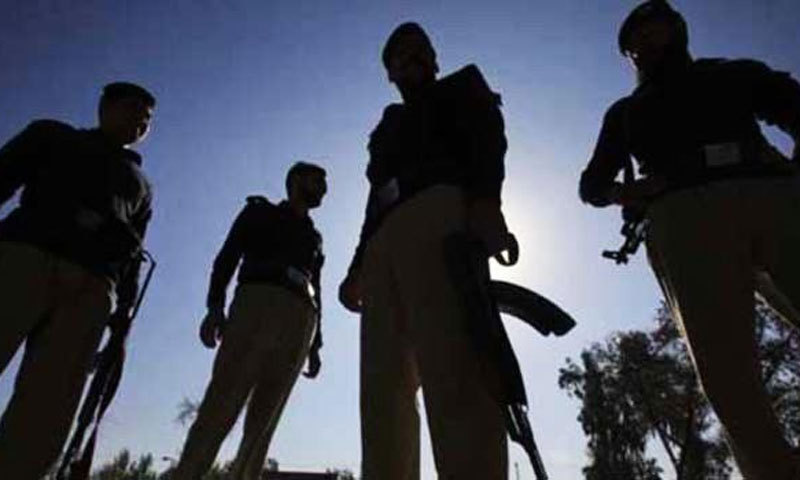
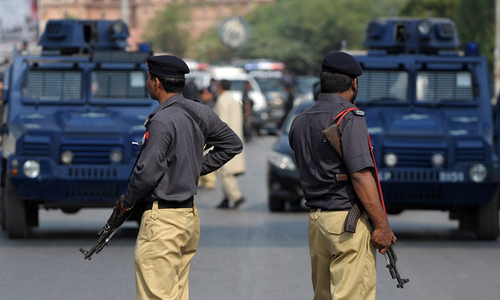
KARACHI: Amid growing complaints of abuse of power, ill-practices and corruption in the police, the authorities are set to launch a surveillance project to monitor activities of officers on patrolling duties, snap-checking and those deployed at checkpoints to improve accountability.
According to officials, the proposal to acquire the first consignment of modern cameras had made some progress and the police authorities were in final talks with the National Radio Telecommunication Corporation (NRTC) — the high tech industry engaged in manufacturing of telecommunication equipment in Pakistan. They said that once the deal was finalised, a set of 100 cameras was likely to arrive for the city police within a few weeks to kickstart the first phase of the project.
“Bearable body-worn cameras are often utilised by the law enforcement agencies in several countries to record their interaction with public or gather video evidence at crime scenes,” said a source. “It has been suggested to increase both officer and civilian accountability,” he added.
A set of 100 cameras is likely to arrive for the city police within a few weeks to implement the first phase of the project
“We also witness that sometimes accidental events may have an effect on memory so the cameras also allow video playback in the case of memory loss. A portable network device would also be provided with the camera to ensure network connectivity all the time,” the source said.
He said being an organisation under the Ministry of Defence Production, the NRTC was fully capable to meet the requirement and the launch of the project would be a major value addition to policing in Karachi.
Apart from complaints of deep-rooted bribery culture, abuse of powers and patronisation of criminal activities, the police force in Karachi has been accused of killing people in fake encounters and almost non-existent accountability system in the institution.
Many believe that the initiative to bring policemen who directly interact with the people during execution of different types of duties under direct surveillance may bring some sense of accountability but major improvements will only come with overall reforms in the institution and making it depoliticised.
“The next phase of project is the procurement of gadgets. Initially, it’s been planned only for 100 units in Karachi. According to the plan, the officers posted at different checkposts conducting search operations and duties of special events would be monitored primarily at the command and control centre at the Central Police Office but the access can also be offered at any permanent or temporary operation rooms.”
The proposal is part of a larger project that includes monitoring all police stations, reporting rooms and public dealing rooms in the future through the same technology.
Published in Dawn, December 28th, 2019