Nine children killed or maimed in Afghanistan every day: report


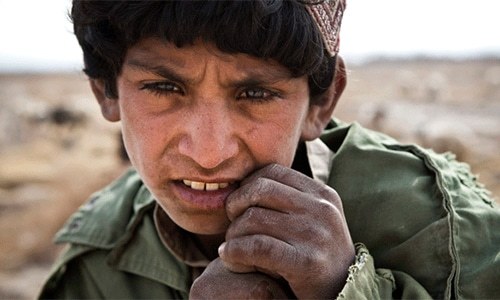
UNITED NATIONS: An average of nine children have been killed or maimed every day in Afghanistan this year, says a recent report from the UN Children’s Fund, Unicef, which describes the country as “the world’s most lethal warzone”.
“Even by Afghanistan’s grim standards, 2019 has been particularly deadly for children”, says Unicef Executive Director Henrietta Fore. “Children, their families and communities suffer the horrific consequences of conflict each and every day.”
In a statement released with the report, Ms Fore notes that despite these difficult conditions, Afghan children are desperate to grow up, go to school, learn skills, and build a future for themselves. “We can, and must, do so much more to reinforce their extraordinary courage and resilience,” she adds.
The report, entitled “Preserving Hope in Afghanistan: Protecting children in the world’s most lethal conflict”, blames all parties in Afghanistan for dragging the war for some 40 years and for failing in their duty to shield children from its consequences.
“The dire predicament of the country as currently the world’s worst killing field, is an acknowledgement of the nearly 6,500 child fatalities and almost 15,000 others injured between 2009 and 2018,” the report adds.
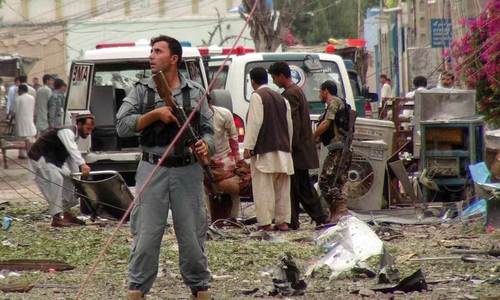
The report shows that the rate of child casualties in Afghanistan has increased by some 11 percent since 2018, which the study puts down to factors such as a surge in suicide bomb attacks and ground engagements between pro and anti-government forces.
In the statement, Unicef reminds all parties to the conflict to fulfil their obligations under international humanitarian and human rights law, which require them to protect children, end the targeting of schools and health centres and allow access to humanitarian assistance.
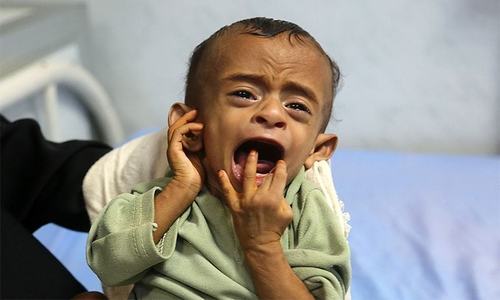
The report points out that conflict-related violence is not the only threat to children in Afghanistan. Children growing up in Afghanistan are also confronted with a host of other challenges, including severe malnutrition, which affects some 600,000 youngsters.
Child marriage, another major problem in Afghanistan, causes one in three girls to marry before the age of 18 and leads to unplanned motherhood. A lack of access to formal education affects some 3.7 million school-aged children.
Unicef is also working with Afghan authorities and local communities to protect girls from the risk of honour killings, domestic abuse and sexual violence.
To alleviate severe malnutrition, Unicef provides treatment to 277,000 affected children. The agency also works with local authorities to provide water for some of the 2.8 million Afghans affected by a severe drought in 2018. To make water available in drought-hit areas, Unicef is increasingly using sustainable gravity-fed and solar-powered water systems.
But the report argues that these programmes need to be drastically scaled up, if more children are to be reached. The statement says that Unicef wants to be able to treat another 300,000 severely malnourished children.
The report shows that 36 per cent of the Afghan population does not have access to drinking water that is protected from outside contamination and Unicef is treating this as one of its top priorities.
Published in Dawn, December 24th, 2019