IN perhaps the umpteenth U-turn of his prime ministerial career, Imran Khan has decided not to attend the Kuala Lumpur summit hosted by Malaysian Prime Minister Mahathir Mohamad.
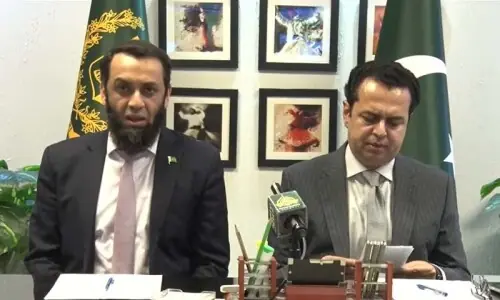
The pretext, provided by Foreign Minister Shah Mehmood Qureshi to journalists yesterday, was that Saudi Arabia and the UAE had reservations about the meeting and Pakistan was playing a role in addressing them. However, he said, since these concerns could not be addressed within the time that was available, Pakistan was stepping back from the summit.
The concerns apparently revolved around two questions: first, would the summit divide the ummah; and second, was it an effort to create an organisation parallel to the OIC. He said Pakistan would continue its efforts to bridge these gaps.
That may be so, but the fact is that Pakistan has already painted itself into a corner and cut a sorry figure.
Prime Minister Khan’s urge to play the mediator may be a noble one but the course of action he has taken should have been thought out better. The divisions between blocs of Muslim countries are no secret and neither are those issues that are sources of disagreement.
If Mr Khan thought he could successfully manage a diplomatic tightrope act between Saudi Arabia and the UAE on one side and Malaysia and Turkey on the other, then he should have acted on a well-crafted plan that allowed for such diplomatic finesse. Yet he had jumped the gun at the UN General Assembly session in New York where he made plans with prime ministers Mahathir Mohamad and Recep Tayyip Erdogan for joint collaborations in various fields including launching a channel together.
Why were the ramifications of these diplomatic initiatives not considered then? Why were the reactions of countries such as Saudi Arabia and the UAE not factored into this policy? Why did Mr Khan accept the invitation to attend the Malaysian summit before understanding how this would be perceived by the leadership of the Gulf countries?
As a result of its amateurish diplomatic manoeuvres, Pakistan has placed itself between a rock and a hard place. It has in the process alienated both sides without gaining anything in return except a red face. This despite the personal investment that Mr Khan had made in reaching out to the leaderships of these countries.
Pakistan should learn the right diplomatic lessons from this debacle.
We may harbour noble intentions about playing a role as mediator in various conflicts but, as this foreign policy faux pas has shown, greater thinking is needed about the costs and benefits of such ambitious adventures.
It will now take some delicate diplomacy to smooth ruffled feathers and mend fences that were needlessly fractured.
It may also be an opportune time for the Prime Minister’s Office to start relying more on advice from professionals in the Foreign Office and less on whims and fancies.
Published in Dawn, December 18th, 2019