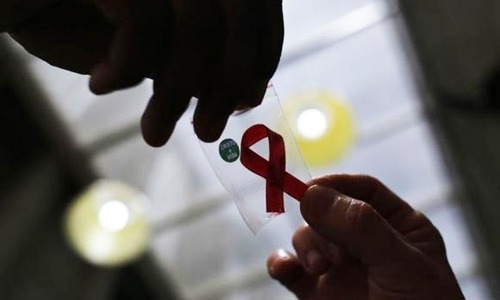
AS Pakistan braces for a potential HIV/AIDS outbreak for the second time this year, countries around the world are observing World AIDS Day today to acknowledge the role of communities in dealing with and controlling the spread of the deadly virus.
However, this day should be a sobering moment for the country’s health authorities who keep grappling with an increasing number of HIV/AIDS cases even in the midst of a global decline.
After a severe HIV outbreak in May in Ratodero, Sindh, where many of those infected were small children, a significant number of HIV-positive cases have emerged in about 20 Punjab districts. According to official documents, almost 320 suspected cases of HIV/AIDS surfaced in these districts including Attock, Lahore and Multan, in October alone. To add to the sudden upsurge in HIV-positive cases, internal rifts within the Punjab AIDS Control Programme have sparked a series of resignations. With four key officials gone, the programme may almost be on the verge of closure.
Despite the PACP crisis, the blame for the uptick in HIV cases must not be heaped on AIDS initiatives alone.
The problem is part of a larger malaise that ails Pakistan’s healthcare system. Social taboos, unqualified doctors and unsafe sexual and medical practices, including the reuse of syringes, sharing of needles by drug users, inadequate screening of blood donors, and contaminated surgical and dialysis equipment, have all contributed to Pakistan’s place among the 11 countries with the highest prevalence of HIV/AIDS.
As of 2018, there were more than 160,000 HIV-positive people in Pakistan, according to UNAIDS, while the number of AIDS-related deaths has increased by 369pc since 2010.
Popular narrative holds that drug users, male, female and transgender commercial sex workers and prisoners are most at risk of being infected. Also, a number of migrant workers, having acquired the virus because of risky sexual activity, infect their unsuspecting spouses upon their return.
However, the outbreaks in Sargodha (2018) and Ratodero have shown that unsafe medical practices are just as likely to infect the general population. In both places, the reason for the spread of virus was apparently the use of unsterilised equipment and infected syringes.
Unfortunately, a large number of people have limited access to healthcare services and are unaware of safe medical practices. Crucially, societal attitudes towards HIV/AIDS have complicated matters. Those infected are often shunned by society, and this prevents many others from seeking medical help or intervention for their symptoms.
The dilemma of our country’s approach to HIV/AIDS is especially apt for this year’s theme for World AIDS Day — ‘communities make the difference’. Today should be a moment of reckoning for our healthcare providers, who not only need to come up with an overhaul of the healthcare system but must also work to eliminate social taboos surrounding diseases such HIV/AIDS.
Published in Dawn, December 1st, 2019