Cantonment Board Clifton, CAA directed to provide information to complainant



ISLAMABAD: After hearing cases regarding violation of the Right of Access to Information Act, the Pakistan Information Commission (PIC) on Tuesday issued orders against the Cantonment Board Clifton (CBC), Karachi, and the Civil Aviation Authority (CAA) and directed them to provide information to the complainant within 20 working days.
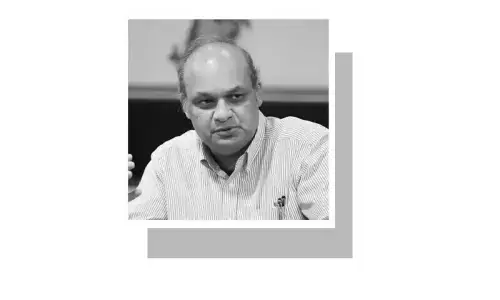
“Failing to implement the orders, contempt notices would be issued to both the entities as they are bound to follow the orders or file appeal against the decisions in high court,” Federal Information Commissioner Zahid Abdullah said while talking to Dawn.
According to orders, available with Dawn, the complainant had demanded the CBC provide a true copy of the contracts it signed with its contractors for provision of manual sweeping of roads and streets, and loading/transportation of solid waste. Moreover, it was asked to provide a list of ‘gutter men’ employed by the CBC for cleaning, clearing and maintenance of gutters / sewerage lines, including their names, approximate length of service and religion.
Both entities are accused of violating the Right of Access to Information Act
The same complainant had asked the CAA to provide reasons and the rules under which the contracted janitorial staff working in the passenger areas of Jinnah Airport Karachi were being paid Rs14,000 per month, while those working in the airport car park and external areas were being paid Rs12,000 per month. The complainant also demanded true copy of the contracts signed between CAA and its contractors during the past two years for providing cleaning / janitorial services at the Jinnah Airport Karachi. He also demanded the number of regular and contracted janitors working in car parks and other outer areas of the airport.
The federal information commissioner said that after failing to get the information from both entities, the complainant filed appeals with the PIC.
“As per rules three notices, with intervals, were sent to both organisations but they were not willing to provide the information. The CBC, rather than providing the information, told us that the same complainant had filed a case in the Sindh High Court so information cannot be provided. However, after getting information, we informed the CBC that the case was regarding non-implementation of minimum wages so it had nothing to do with providing information. However, the CBC did not bother to provide information,” Mr Abdullah said.
“Finally orders have been issued and contempt notices would be issued if both entities fail to implement the orders,” he said.
In reply to a question, Mr Abdullah said that parliament had approved the commission’s budget for 2019-20, but the finance ministry had not created posts for recruitment of staff.
“We even don’t have an office and have been working in a room of the Information Services Academy. Despite that we have received 180 complaints and notices have been issued in all cases,” he said.
The Right of Access to Information Act was enacted in October 2017 due to which all ‘public bodies’ were supposed to proactively disclose their information by April, 2018. However, a big majority of public bodies still lag significantly behind in either ensuring their online presence or, if their websites exist, provide only a limited amount of information proactively.
Under the law PIC had to be established in six months but the previous government did not take any step in that regard. However, the current government notified the PIC on Nov 7 last year and former information secretary Azam Khan was nominated as Chief Information Commissioner.
As it was mentioned in the law that a person eligible to become a judge of high court will become Federal Information Commissioner so Fawad Malik was nominated and the eligibility for other member was that he/she should be from civil society with 15 years of service for RTI so Zahid Abdullah was nominated as Federal Information Commissioner.
Published in Dawn, November 20th, 2019