EU agrees to delay Brexit by three months


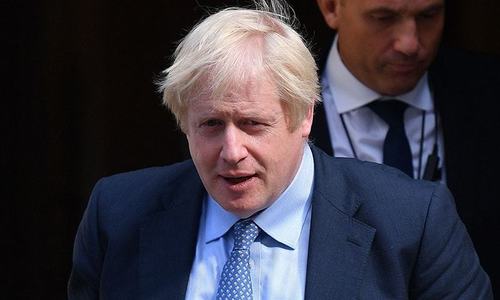
LONDON: The European Union on Monday agreed a three-month flexible delay to Britain’s exit from the bloc as Prime Minister Boris Johnson pushes for an election after opponents forced him to request an extension he had vowed never to ask for.
Just days before the United Kingdom is formally due to leave the EU on Oct 31, Brexit is hanging in the balance, with British politicians no closer to reaching a consensus on how, when or even if the divorce should take place at all.
Johnson, who won the top job in July by vowing, “do or die”, to deliver Brexit on Oct 31, was driven to request a postponement after he was defeated in parliament over the sequencing of the ratification of his divorce deal.
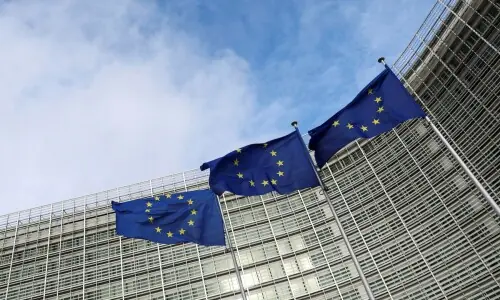
The 27 countries that will remain in the EU agreed on Monday to put off Brexit until the end of January, with an earlier departure possible should the faction-ridden UK parliament ratify the separation deal Johnson agreed with the bloc.
“The EU27 has agreed that it will accept the UK’s request for a Brexit ‘flextension’ until 31 January 2020,” European Council President Donald Tusk tweeted, referring to the concept of a flexible extension.
Johnson, who lacks a majority in parliament, is obliged by legislation passed last month to accept an extension once offered.
Johnson will respond to the EU’s delay offer once he has reviewed the details, his spokesman said on Monday.
With British politics still paralysed over carrying out Brexit three and a half years after a 52pc-48pc referendum vote in favour of leaving the EU, Johnson is demanding parliament approve an election on Dec 12 in return for more time to adopt his deal.
But he needs the support of two-thirds, or 434, of the 650 lawmakers for a new election. A House of Commons vote was due around 1900 GMT. The main opposition Labour Party was expected to abstain in the vote.
Macron main hurdle
French President Emmanuel Macron had been the main hurdle to an extension, arguing there had to be a good reason for a delay and that the British needed to break their own political deadlock. But a source close to Macron said the prospect of an election in Britain had strengthened significantly.
The source stressed that the third Brexit delay would come with conditions, including a refusal to renegotiate the divorce agreement and giving a green light to other EU countries to meet without Britain to discuss the bloc’s future.
The latest delay plan envisages that Britain could be out on Dec 1 or Jan 1 should parliament ratify the agreement in November or December respectively, according to diplomats who deal with Brexit in Brussels.
But in London, there was no consensus on an election which Johnson says is needed to overcome the impasse.
Published in Dawn, October 29th, 2019