Water crisis major risk to business in South Asia: WEF


 1
1


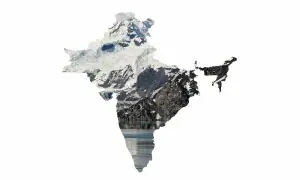
ISLAMABAD: Water crisis is the biggest risk for doing business in South Asia, according to the World Economic Forum (WEF).
In an ‘Insight Report’ on the ‘Regional Risks for Doing Business, 2019’, the Davos-based forum identified ten risks for South Asia, namely: water crises, terrorist attacks, manmade environmental catastrophes, failure of urban planning, energy price shock, deflation, unemployment or under-employment, state collapse or crisis, fiscal crisis and asset bubble.
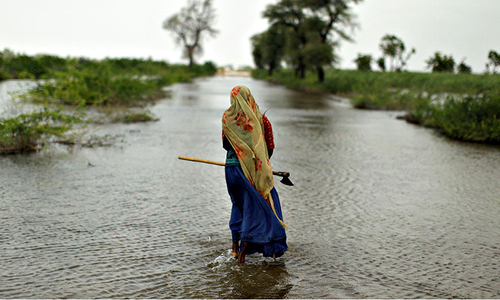
At a country level, water crises ranked as the topmost risk in India, second in Pakistan and fourth in Sri Lanka. The issue has been described as a “problem of scarcity amid abundance” in South Asia — despite major trans-boundary rivers, residents in many places must queue for limited supplies of drinking water.
According to the report, water also presents geopolitical challenges in the region; while there are bilateral arrangements on the Indus between India and Pakistan, and Ganges between India and Bangladesh, water is a potential weapon in cross-border disputes, as countries have at times threatened cutting off flows because of outbreaks of violence in disputed territories. Additionally, China, from where the headwaters of several major rivers sit, has been building hydroelectric dams that have caused political friction, particularly with India.
Pakistan has the fourth highest rate of water usage in the world, yet at the same time the country is close to being classified as “water-scarce”.
Part of the underlying challenge is that the country lacks proper infrastructure to deliver clean drinking water to its population. Furthermore, because most of the country’s water comes from a single source — the Indus system, it is at a risk of disruptions from extreme weather events, which will only grow more pronounced as a result of climate change.
The region is home to around a quarter of the global population but has less than five per cent of the world’s renewable water resources. Low per-capita water availability and a high relative level of water use make South Asia one of the most water-scarce regions.
Additionally, water storage is low by global standards, making it difficult to manage the floods and droughts that afflict the region and that are expected to increase with climate change.
The issue of transnational tension can be seen in the ranking of “terrorist attacks” as the second leading risk in the region.
“Manmade environmental catastrophes” ranked third, as the region is home to three of the world’s four most polluted countries — Bangladesh, India and Pakistan — according to Greenpeace. Fifteen of the world’s 20 most polluted cities are in India with Dhaka is also on the list.
The fifth risk, “energy price shock”, was ranked the leading risk on a country level in Pakistan and Bangladesh. The ranking reflects the fact that there is a rising demand for energy in South Asia as populations and economies grow, yet the region is a net importer of crude oil.
Published in Dawn, October 6th, 2019