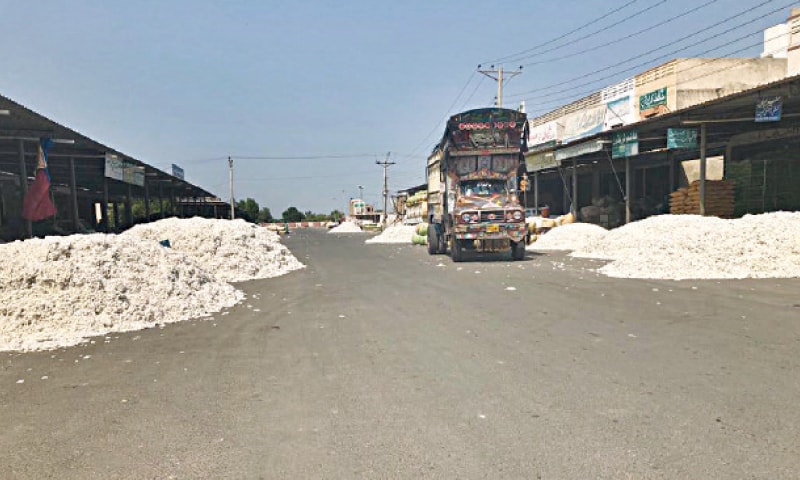
RAHIM YAR KHAN: Unfavourable weather conditions have affected the quality and quantity of phutti (cotton seed) and its rates have been increased by Rs400 to 700 per maund (40kg) in the last couple of weeks due to less supplies.
According to Rahim Yar Khan Model Grain Market trader Haji Maqbool, the season of phutti set in with Rs3,400 per maund in September. By the end of the month, rates went up to Rs4,200.
He said the cultivated area of cotton increased manifold as the low rates of sugarcane in the last few years annoyed farmers and they have switched over to cotton. He said up to 6,000 maund phutti was being sold at the grain market daily. Many ginners buy cotton directly from farmers Rs200 less from the grain market rate, he added.
Former chairman of the Pakistan Cotton Ginners Association (PCGA) Haji Ibrahim told Dawn that due to extreme hot weather and ensuing severe attack of Army Bollworm, the yield was badly affected in the last two months. He said that almost 20 percent of the yield was destroyed due to the attack. Later, heavy rains in September in Punjab and Sindh also damaged the cotton crop.
He said that in the start of the cotton season, farmers were very depressed because the rate of phutti was Rs3,400. In the last few days of September, the low arrival of phutti in the grain market imbalanced demand and supply and as a result, phutti rates went up.
On Monday, its rate in the grain market was Rs3,700 to 4,000 per 40 kg. Last year, the total production was 11.7 million cotton bales in the country and this year it could reached 10 million bales, he said.
Former RYK Chamber of Commerce and Industry president and prominent ginner Sheikh Emmaduddin told Dawn the purchase of phutti was low because textile mills were facing the issue of liquidity in the wake of imposition of sales tax. He said that in August, the rate of phutti was Rs3,400 to 3,600 but later on the rate went up to Rs3,800 to 4,100 because of slow arrival of phutti due to less yield and quality.
He said that internationally, the prices of cotton were depressed because of a trade war between China and the US. He said the mills were purchasing cotton because of more demand.
Published in Dawn, October 1st, 2019