Race to invest in risk-free govt papers intensifies
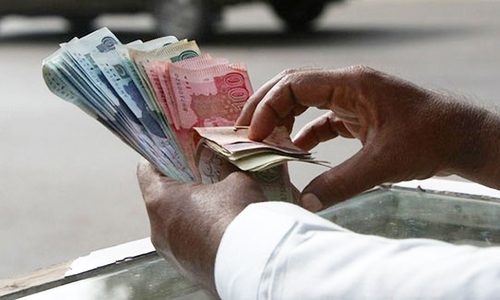

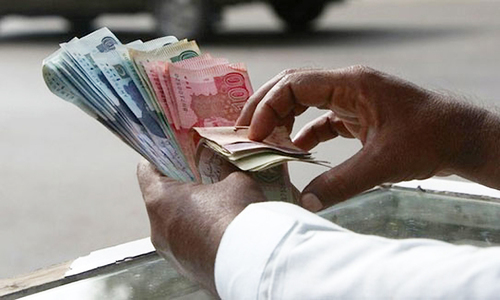
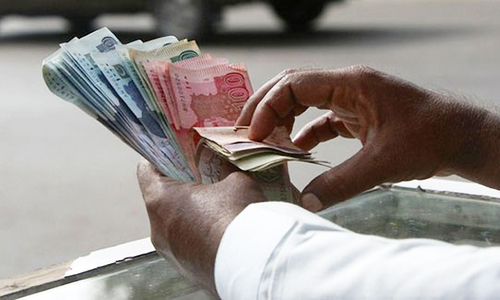
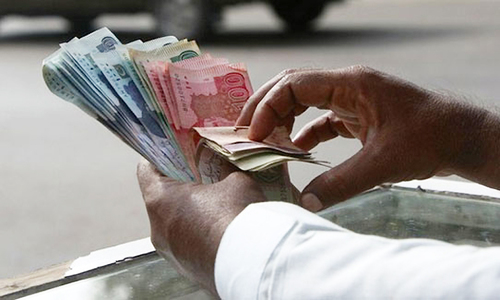
KARACHI: The race to invest in the long-term government papers among the banks further intensified as bids for 12-month papers in the Wednesday’s treasury auction reached over Rs988 billion.
The government raised Rs551.5bn from 12-month papers offering highest return compared to other three- and six-month instruments.
Despite large interest, the government did not raise the targeted amount from the auction but still managed to mop up higher funds than the maturity amount for the same date.
However, the bid pattern clearly indicated that investors were aware about the future interest rate trend as they invested heavily in 12-month papers compared to other papers.
The government raised Rs403bn from 12-month papers against bids worth Rs988bn. The return on the one-year paper was at 13.84 per cent compared to 13.83pc and 13.73pc for six- and three-months papers respectively.
Recently, the State Bank of Pakistan (SBP) said the average inflation for FY20 would be in the range of 11-12pc which means the interest rate may not fall sharply. However, even at this rate, banks were willing to park maximum liquidity in the 12-month instruments.
The government had set the target of raising Rs1 trillion through the auction against maturities of Rs114.1bn indicating that it was willing to raise additional Rs885.9bn. However, it raised additional Rs437.4bn through the auction.
The bids for six-month t-bills were Rs71.4bn but the government raised Rs20bn. Similarly, the government raised Rs107.7bn against the bids of Rs112.9bn in three-month papers.
In the previous t-bill and Pakistan Investment Bond auctions, the bidding trend showed that interest rate has likely peaked and would come down in the future. In the recent monetary policy statement, the SBP kept the interest unchanged at 13.25pc after increasing the rates in the last twelve months.
The high interest rate is counterproductive to economic growth and already suppressed demand from the private sector while banking money is being invested in the government papers.
During 1QFY20, the private sector credit off take was negative whereas so far, the private sector has been retiring debts instead of borrowing more funds.
Published in Dawn, September 26th, 2019