Britain rules out seized tanker swap with Iran


LONDON: Britain on Monday ruled out swapping seized oil tankers with Iran as a second UK warship arrived in the Gulf to conduct convoys that have irritated Tehran.
A sense of crisis in the world’s busiest oil shipping lane has been building up for weeks as Iran responds to US President Donald Trump’s “maximum pressure” campaign.
The US economic sanctions and stepped-up military presence are designed to force Iran to renegotiate a landmark 2015 nuclear pact from which Trump pulled out last year.
Britain further outraged Iran by seizing one of its tankers — the Grace 1 — on July 4 on suspicion of it carrying oil to Syria in violation of EU sanctions.
Iran vowed to retaliate and its Revolutionary Guards stormed and detained the UK-flagged Stena Impero and its 23 crew as they sailed through the Strait of Hormuz on July 20.
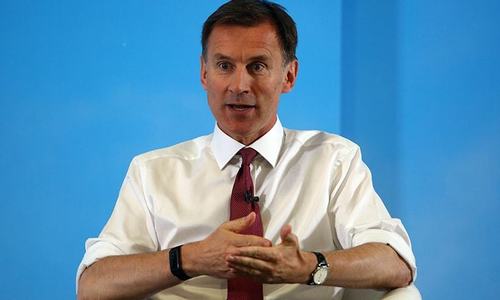
New British Foreign Secretary Dominic Raab flatly rejected the idea of the two tankers being exchanged or simultaneously released in a bid to dial back the tensions.
“There is no quid pro quo,” Raab told BBC radio.
“This is not about some kind of barter. This is about international law and the rules of the international legal system being upheld,” he said.
“That is what we will insist on.”
Iranian President Hassan Rouhani had hinted earlier that he was open to a tanker swap.
‘Geopolitical tussle’
Iran said on Sunday that its ship’s seizure was also a violation of the 2015 nuclear pact that Britain co-signed and is trying to keep alive with EU allies.
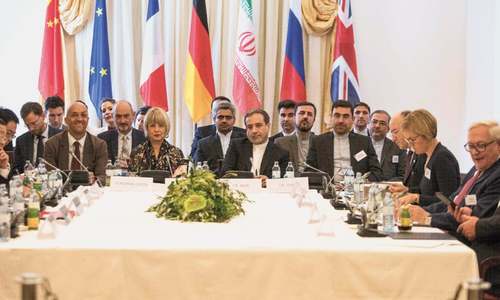
Its remaining participants met in Vienna over the weekend for heated talks that also saw Iran lash out at Britain’s proposal for European nations to lead a naval and air Gulf escort mission.
Britain’s HMS Montrose frigate began helping UK-flagged tankers enter into and out of the Gulf last week.
Its naval presence near Iran grew to two with the arrival on Sunday of the HMS Duncan destroyer — the most advanced warship Britain currently has.
The UK defence ministry said the two will conduct escorts together for the next month.
“Freedom of navigation in the Strait of Hormuz is vital not just to the UK, but also our international partners and allies,” said UK Defence Secretary Ben Wallace.
Yet Britain’s European force proposal is running up one already being prepared by the United States.
Iranian government spokesman Ali Rabiei said on Sunday that the proposed European fleet “carries a hostile message, is provocative and will increase tensions”.
Published in Dawn, July 30th, 2019