Selfies: five times more deadly than shark attacks
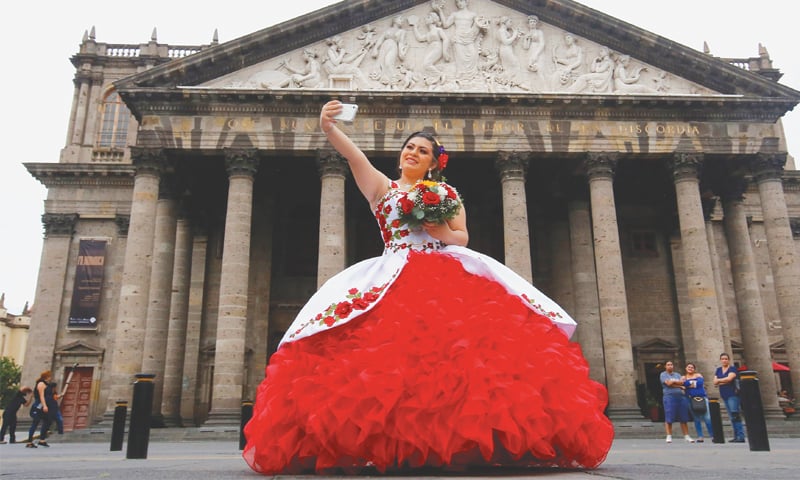
Selfies, which have become a global sensation in the last decade or so, have remarkably killed five times more people than shark attacks. And the death toll has crept up incrementally each year as smartphones become more sophisticated and selfie-sticks increase the range at which people can snap themselves, prompting them to take bigger risks for the perfect shot. Between October 2011 and November 2017, at least 259 people died taking selfies around the globe, according to India’s Journal of Family Medicine and Primary Care, compared to just 50 people killed by sharks in the same period.
While women take the most selfies, young men, who are more prone to take risks, make up three quarters of the selfie deaths — in drownings, crashes, falls or shooting accidents. India, with a population of more than 1.3bn and 800m cell phones, holds the record for the number of people dying in the act of photographing themselves, with 159 recorded so far. India has seen selfie-snapping groups of youths die when they were hit by a train or drowning when their boat sank at the moment they were clicking the shutter. The situation has become so dire that India has set up “no selfie” zones — 16 of them in Mumbai city alone. The country came in far ahead of Russia (16 deaths), the United States (14) and Pakistan.
In January, Taiwanese social media celebrity Gigi Wu — known as the “Bikini Climber” for taking selfies on top of mountain peaks dressed in a bikini — died when she fell into a ravine. She was 36. Even when they are not fatal, selfies can be extremely macabre. In 2014, a Brazilian woman sparked rage online when she took a smiling selfie in front of the coffin of presidential candidate Eduardo Campos at his funeral. Facing the mad frenzy of endless selfies, Vienna has launched a campaign for a digital detox. The Belvedere Museum has put up a large copy of Gustav Klimt’s classic painting ‘The Kiss’ near the original and added a giant red hashtag, so that visitors can take their selfie next to the facsimile and actually look at the real work of art.
Published in Dawn, June 28th, 2019