Railway’s heritage preserved under one roof
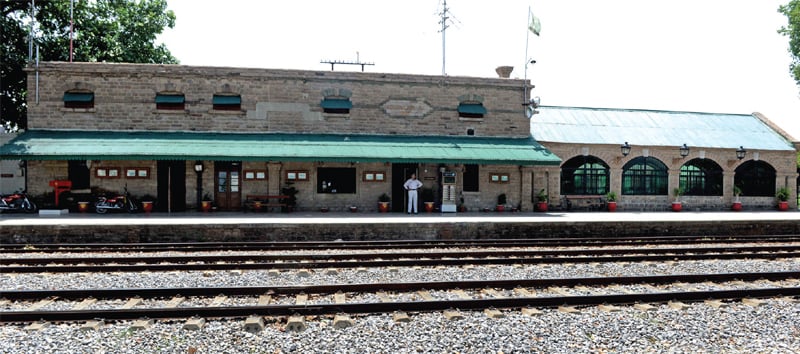
Nestled between the urban and rural areas of Islamabad, the Railway Heritage Museum at the 138-year-old Golra railway station presents the history of the railway system in the Indian subcontinent.
The railway station was established in 1881 and named after the small village of Golra, famous for the shrine of a renowned saint, religious scholar and poet Pir Mehar Ali Shah.
Located towards the south of Margalla Hills in the catchment of Taxila, the railway station constructed with traditional grey sandstone blocks with colonial architectural touch creates a classical atmosphere for the visitor.
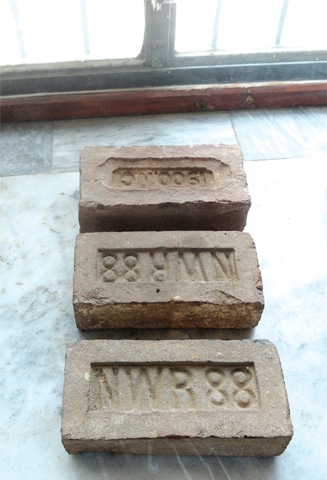
The heritage museum was established in 2003 aimed at preserving and conserving the over 150-year-old railway heritage. It consists of two main galleries. The displayed objects dating back to 1861 include signals, meters, mode of communication, emergency equipment, Victorian furniture with classic crockery, pianos, long-arm rest chairs, clocks, watches and medical kits.
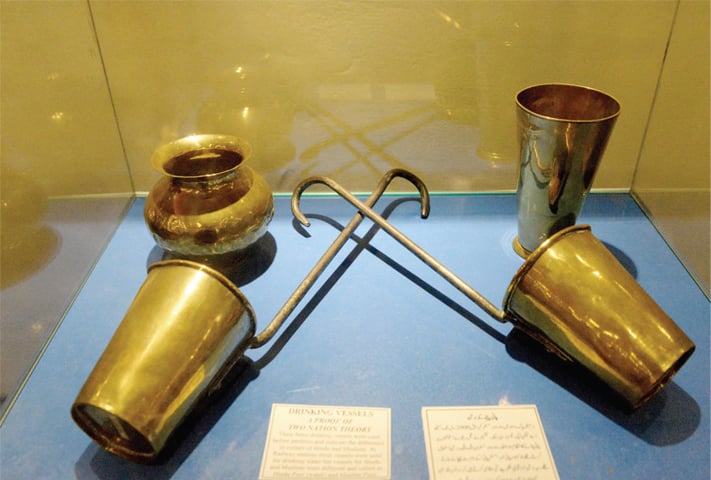
It also sheds light on the mutli-religious society in India during the British rule through separate water utensils used by the Muslims and Hindus.
In addition to the galleries, steam, diesel and electric locomotives, historical coaches of narrow, meter and broad gauges are also on the display.
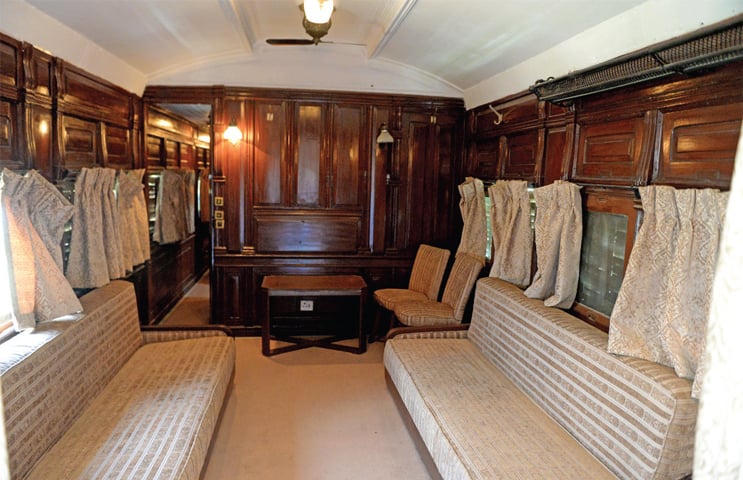
A beautiful saloon reserved for the last Viceroy of India Lord Mountbatten is also on display. This also has the significance of being used by Quaid-i-Azam Mohammad Ali Jinnah. The saloon is beautifully decorated with teakwood, old furniture, washrooms and kitchen fixtures.
There is another royal saloon which was given as a gift by Maharaja of Jodhpur to his daughter on her wedding. It was manufactured in 1885 at Ajmer Sharif Carriage Workshop.
There is also a German engine and letter post mail coach captured by British forces in German East Africa on the Tanga-Moschi Line during World War I.
In 1916, it was handed over to the Lahore Post Office by Maj Gen Sir R.H. Ewart and Quarter Master General in recognition of the services rendered by the postal officials of this circle to the East African expedition.
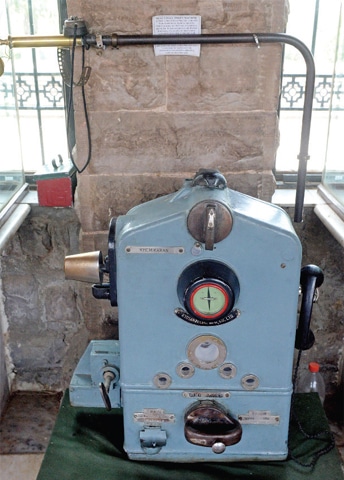
The museum exhibits different objects related to railway operations such as Neil Ball Token Machine, hand signal lamps, gang man tools, flags, signal sticks, Morse telegraphy and point indicator lamps.
An old signboard displayed in the museum advertises tea in Urdu, Gurmukhi, Hindi and Bengali. A poster displayed in Hindi informs the public on how to make tea and its benefits for human beings. Tea was introduced in the Indian subcontinent during the British rule.
The museum also has a rich collection of clocks in a fairly good condition. The long pendulum clock by Gillet and Johnson Croydon, London, 1899, is also preserved in the museum.
Talking to Dawn, Railway Divisional Superintendent Syed Munawar Shah, who is also the founder of the heritage gallery, said the basic aim of the establishment of the museum was to inform the visitors about the history of locomotives and services provided to the people.
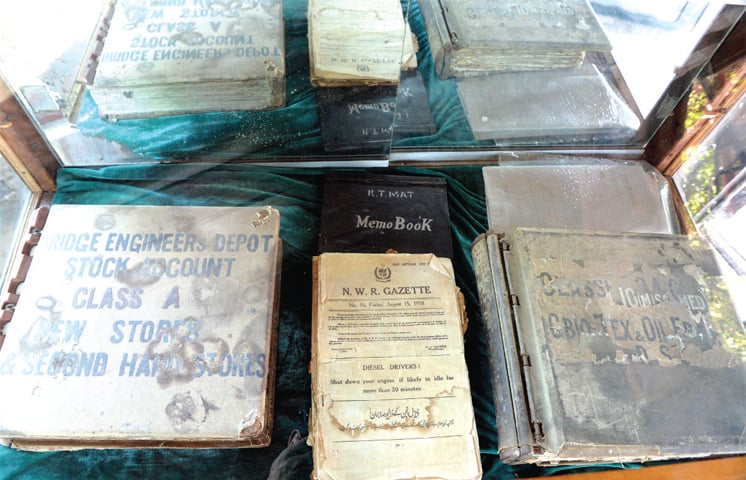
He said all railway tools, crockery and other items collected from different parts of the country were displayed under one roof.
Published in Dawn, June 23rd, 2019