Sindh imposes ban on interprovincial movement of wheat
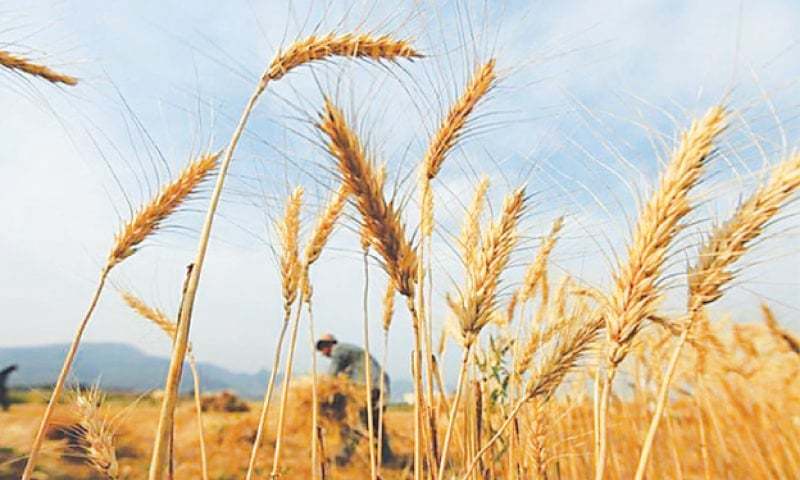
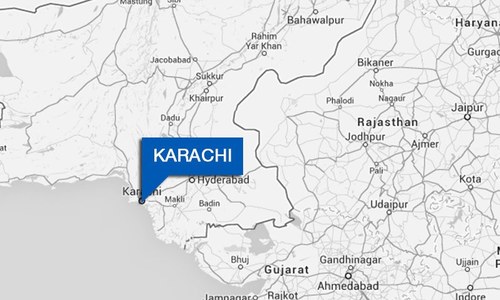
KARACHI: The Sindh government has decided to impose ban on interprovincial movement of wheat in anticipation of the grain’s shortage and resultant price hike of flour in the province.
Sindh Minister for Food Hari Ram Kishori Lal said on Monday that the decision was taken over apprehensions expressed by Pakistan Flour Mills Association South Zone about depletion of wheat stocks in Sindh and its proposal for banning wheat purchase by feed mills.
“In order to stop flow of wheat stocks from Sindh to other provinces, the home department as well as commissioners and district administrations have been directed to ensure restriction on movement of wheat from Sindh,” said the minister.
Mr Lal pointed out that current wheat crop in Punjab had suffered widespread damage in rains, which frustrated the provincial government’s plans to achieve its procurement target of the grain.
Besides, he said, there were reports that 10,000 metric tonnes of wheat was being transported from Sindh to Punjab daily, hence the Sindh government decided to ban its interprovincial movement.
The Punjab government, too, had banned movement of wheat to stop its transportation from the Punjab to Khyber Pakhtunkhwa and Afghanistan, he said.
Meanwhile, Sindh Abadgar Board member Gada Hussain Mahesar said in a statement that a bumper crop was being expected to yield 6.2 million tonnes of wheat during the current season but surprisingly the Sindh government had neither announced a procurement policy nor fixed official rate of the grain as yet while the process of threshing had already picked up momentum.
He appealed to the government to lift ban on interprovincial movement of wheat and said that if the government could not afford to open procurement centres it should allow the grain’s movement to save growers from further financial losses.
He said that growers, under the obtaining conditions, were forced to dispose of their produce to local traders at much lower rates ranging from Rs1,050 to 1,120 per 40 kilogramme while the official procurement rate in Punjab was Rs1,350 per 40kg and the Punjab government had opened procurement centres across the province to buy wheat.
He pointed out that growers, who had invested their hard-earned money in the cultivation of the crop in hope of having a rich harvest should not be deprived of legitimate benefit.
Published in Dawn, May 21st, 2019