114
114
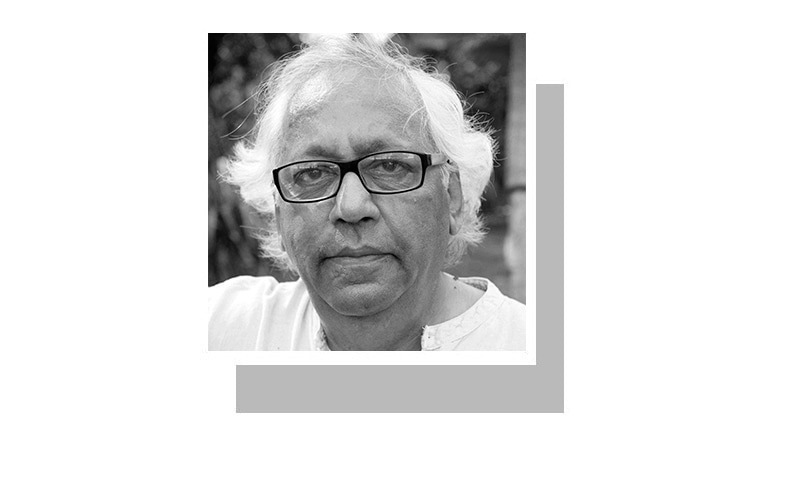
THE one consistent theme running through Imran Khan’s vision of Pakistan is his desire to turn the country into a major tourist destination.
This, he avers, would create millions of jobs and generate millions of dollars for the exchequer. If his dream could be turned into reality, nobody would argue about the potential benefits.
To achieve this goal, Khan’s government has taken a crucial first step by deciding to issue online visas for the nationals of a large number of countries. Others will be able to get visas on arrival. This is a progressive step, and is in sharp contrast with the cumbersome procedure in place under previous governments.
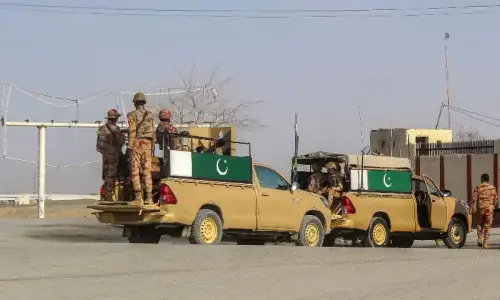
However, a change in visa policy is not all that’s required. First and foremost, a safe environment has to be created, something that has been sadly lacking in Pakistan for decades. Officials often repeat the mantra that the security situation is better now than it has been for some time. Perhaps the recent suicide attacks in Quetta and Lahore will make foreign tour operators think twice before they recommend Pakistan to their clients.
When the horrifying terror attacks shook Sri Lanka recently, tourists fled in droves, and hoteliers are in shell-shock over the cancellations that have poured in. It is estimated that the island will lose around $1.5 billion, or a third of its expected earnings from tourism this year.
A change in visa policy is not all that’s required.
Travel advisories issued by the foreign ministries of a number of countries means that insurance cover will be null and void should tourists still visit Sri Lanka. This alone would discourage all but the most determined travellers. And this is happening in a country that is a much-loved tourist destination.
Even during the civil war that lasted 25 years, some hardy tourists were keen to explore the island. Since the war ended a decade ago, tourist numbers have been going up, with major investments flowing into the hospitality sector. New restaurants and hotels have sprung up, and at the lower end, many homes have been renting rooms to backpackers.
In short, the country was poised to become a major force in world tourism. The Rough Guide travel handbook had named it the top destination for 2019, and tourism was generating five per cent of GDP, making it Sri Lanka’s second biggest foreign exchange earner. It took just five near-simultaneous suicide attacks on Easter by murderous jihadists to destroy these dreams.
Pakistan is far more vulnerable to attacks from Muslim extremists. The recent atrocities in Sri Lanka happened after over 10 years from previous acts of terrorism. We, on the other hand, attract the violent attention of jihadists the way honey does bees. As Hillary Clinton famously said during her brief visit to Islamabad as secretary of state: “If you keep vipers in your garden, don’t be surprised if you get bitten.”
Even though Imran Khan and the army chief have said the establishment will no longer tolerate or support extremists, there is a wide gap between good intentions and actually enforcing them. Militants who have been on the gravy train for years will be reluctant to disband and give up the high life they have enjoyed off donations and official largesse.
Leaving aside security, let us examine the other factors needed to attract tourists. Foreigners, especially women, have often complained of being gawked at in the streets. Actually, this also happens to Pakistani girls and women. But we can imagine the reaction of local men to the sight of bikini-clad Western women on our beaches.
We have often boasted of our sandy shores, but we can’t expect foreign tourists to keep covered up in order “to respect local customs”. If we insist, we can forget about foreigners visiting Pakistan on family holidays.
On the Sri Lankan beach where I spend much of the winter, the local villagers are conservative, but accept the presence of scantily clad foreign women. The government has created units of ‘tourist police’ to ensure security for overseas visitors. The government and people of Sri Lanka are aware of the importance of tourism for the country, and behave accordingly.
Such a consensus does not exist in today’s Pakistan. Here, a violent version of religion makes the country a frightening place for foreigners. For years, televised images of screaming, bearded men have etched an unflattering image of Pakistani society among our target audience of potential tourists.
Far from projecting Pakistani culture as tolerant, civilised and vibrant, we have come across as a harsh, monochrome and violent society. Our women are viewed as subjugated, and our minorities as victims of institutionalised oppression.
Whether flawed or not, this is the prism through which Pakistan is viewed across much of the world. We can argue all we like about this picture being false, but perceptions are not easy to change.
Aasia Bibi’s long ordeal has revealed more about Pakistan to foreigners than any number of promotional campaigns.
Published in Dawn, May 11th, 2019