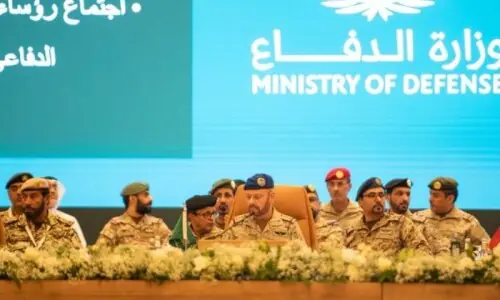
WASHINGTON, July 15: Linking the issue of Kashmir to the current dispute between India and Pakistan over the water of Indus and its tributaries, speakers at a seminar on Capitol Hill warned that the next war between the two could be fought over water. They, at the two-day seminar, which ends on Friday, warned that unless steps were taken to strengthen the peace process, the ongoing effort to improve relations might fail.
They advised the two countries to involve the people of Jammu and Kashmir in their efforts to resolve the dispute for a durable settlement.
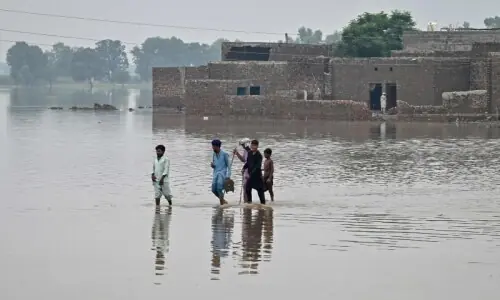
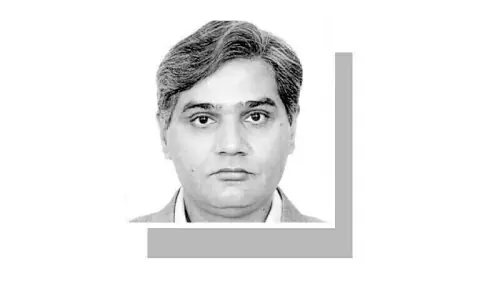
Former foreign secretary Riaz Khokhar raised the possibility of a war over water while talking about India’s continued refusal to settle its disputes with Pakistan over the Baghlihar dam and Wullar barrage.
Mr Khokhar said that not only that India was refusing to settle these disputes; it was also threatening to reopen the Indus Water Treaty that distributes the water of Indus and its tributaries between the two countries.
“Experts say that if there is going to be another war between India and Pakistan, it may be over water,” warned Mr Khokhar.
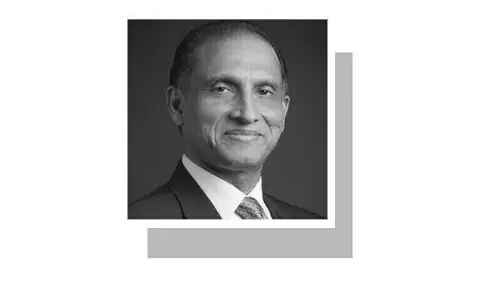
Prof Robert Wirsing, a renowned international scholar on South Asian affairs who is associated with the Asia Pacific Centre for Security Studies, Hawaii, backed Mr Khokhar’s assertion, saying that water and energy were two resources which had “aroused rivalry and bad feelings” among the nations of South Asia.
He said some experts fear that if “there’s going to be a war among these nations, the irritant would be water or energy resource”.
Federal Minister for Kashmir Affairs Makhdoom Faisal Saleh Hayat said India-Pakistan dialogue process had raised hopes for a just resolution of the Jammu and Kashmir dispute.
The minister urged Pakistan, India and Kashmiris “to seize the opportunity” provided by the current peace process and work for a lasting peace that could bring economic prosperity to the entire region.
Federal Minister for Religious Affairs Ijaz-ul-Huq said the people of Jammu and Kashmir were the real stakeholders and they should be included in the peace process.
Dr Subramanum Swamy, president of the All India Janata Party, said he was not optimistic about the peace process because “the present path chosen by both India and Pakistan has many speed-breakers and roadblocks. We need to choose an alternative route.”
He claimed that UN resolutions on Kashmir were not acceptable to Kashmiris because they provided only two options, either go for Pakistan or India and have no provision for an independent Kashmir.