UN genocide expert says Europe’s far right recalls rise of Nazis
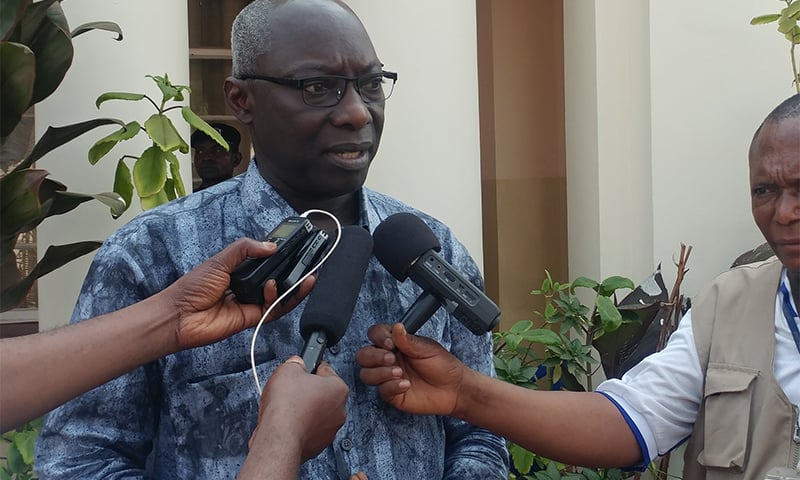
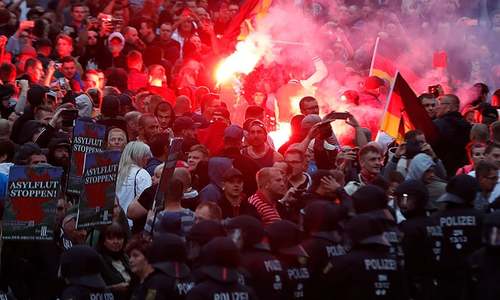
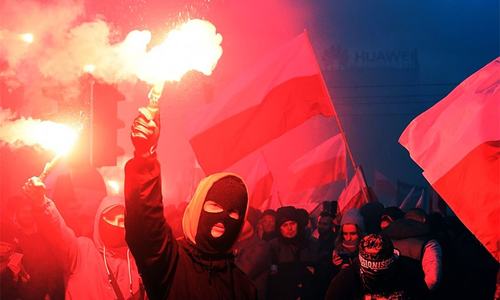
GENEVA: The UN special adviser on the prevention of genocide said on Wednesday a new class of nationalist, far-right leaders in Europe was redolent of the 1930s when the Nazis rose to power.
Adama Dieng urged Europe’s centre-left to do more to oppose a resurgence of xenophobia, alluding to a spreading backlash over an influx of migrants since 2015 that propelled far-right populists into national parliaments across Europe.
“We cannot allow human beings to be treated the way they are being treated. The signs of the ‘30s are resurfacing,” Dieng, a Senegalese lawyer, told a media briefing in Geneva.
“Unless we are blind or of bad faith, we should admit that its time to stand up, it is time to speak out.” He cited damage done by “powerful states” pulling out of international commitments, and by anti-immigrant politicians in Hungary and Italy. But he also accused left-wingers of playing cynical political games instead of robustly pushing back against the far right.
He praised three female leaders — Germany’s Angela Merkel, Bangladesh’s Sheikh Hasina and New Zealand’s Jacinda Ardern — for taking political risks by standing up for migrants and ethnic minorities.
Dieng also took issue with critical remarks about Muslim burqas made last August by former British Foreign Minister Boris Johnson, saying the comments had been taken seriously by extremists who assaulted British Muslim women.
“This shows exactly how dangerous it is when someone who is in a position of leadership, who can influence, is using a discourse which can impact terribly on the lives, the security and the safety of human beings.
Dieng was a strong critic of China’s Tibet policy in the 1990s when he led the independent International Commission of Jurists. His tenure as the UN genocide envoy since 2012 has coincided with a rash of Middle East and African wars and refugee crises, and UN genocide inquiries in Iraq and Myanmar.
Published in Dawn, May 2nd, 2019