$551m facility signed with ITFC for fuel imports



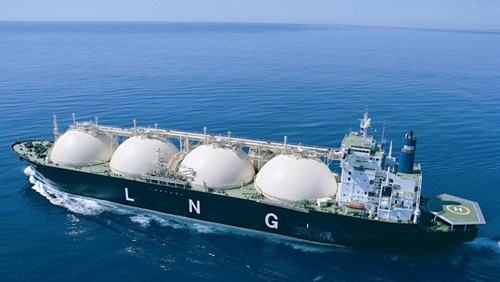
ISLAMABAD: The government of Pakistan and the International Islamic Trade Finance Corporation (ITFC) on Monday signed a $551 million facility to finance oil and liquefied natural gas (LNG) imports during the current fiscal year.
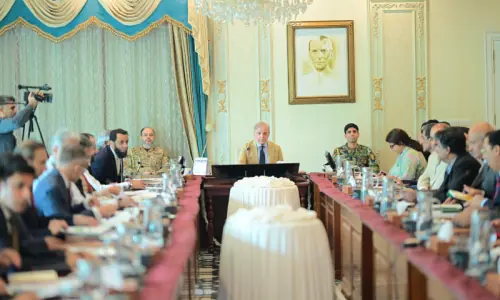
Adviser to the Prime Minister on Finance, Revenue and Economic Affairs Dr Abdul Hafeez Shaikh attended the signing ceremony.
This is the single largest financing from the ITFC — a subsidiary of the Islamic Development Bank — increasing the total facility to about $1.05 billion during current fiscal year. This is part of a $4.5bn package Pakistan and ITFC had signed in April 2018 to cover oil and LNG imports over a period of three years at the rate of about $1.5 per annum.
This year, however, the facility could not go beyond $1.05bn owing to limitations of the partner banks of the ITFC. It has previously extended about $500m funds in three installments of $27m, $125m and $100m during the current fiscal year.
Funds will be used to procure crude oil, petroleum products and LNG shipments
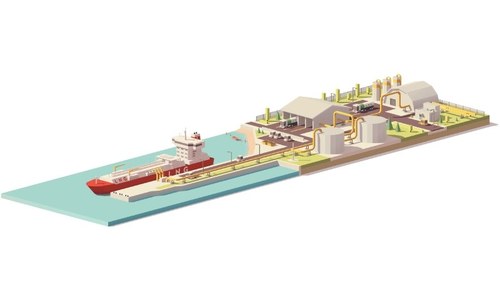
The facility will finance crude imports for Pak Arab Refinery Limited (Parco), petroleum products by Pakistan State Oil and LNG by Pakistan LNG Limited (PLL).
The IDB through the ITFC has been facilitating oil import coverage and first time included LNG financing.
The latest financing facility would become effective within this week on vetting by the Law and Justice Division, a senior official told Dawn. He said efforts were being made to proactively engage with ITFC through synchronisation of oil and LNG imports schedules to ensure maximum utilisation of credit line next year.
The official explained that $551m funds would not come into Pakistan’s account but ease pressure on foreign exchange reserves. These funds would be used for financing of letters of credit for oil and LNG imports by PSO, Parco and PLL before end-June this year.
The Economic Affairs Division said the ITFC facility was “a part of Framework Agreement signed in April 2018 for a total envelop of $4.5bn over for a period of three years (2018-2020)”. The credit facility is subject to about 2.3 per cent plus London Interbank Offered Rate (Libor).
The facility had formally become effective on July 1, 2018 when it rolled over about $100m loan. Before the 2018-20 framework agreement, the ITFC had extended about $3.2bn trade financing facility of similar tenure to Pakistan mostly covering crude oil and some petroleum products. The three-year facility came to an end in 2017.
Pakistan’s total liquid foreign exchange reserves have amounted to about $16.2bn as of last week including $9.24bn of the State Bank of Pakistan and about $6.95bn of commercial banks.
Published in Dawn, April 23rd, 2019