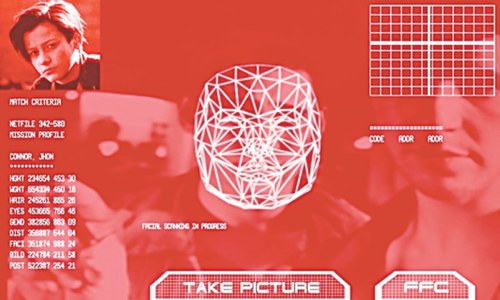
China to use facial recognition to thwart scalpers



BEIJING: Chinese hospitals are using facial recognition to identify people who sell doctors’ appointments at an illegal markup, the latest application of an emerging technology that is being used in places to tighten Communist Party control over the country’s 1.4 billion people.
More than 30 hospitals in Beijing have installed the technology and have already identified more than 2,100 individuals who appear regularly to make appointments, then turn around and sell them to others for a profit, state media said on Sunday. Chinese public hospitals require patients to line up for appointments on the day they wish to see a doctor, creating a lucrative secondary market for scalpers to sell them better numbers and save on waiting time.
China’s markets are rife with counterfeit goods and fraud, and China has been aggressively applying facial recognition technology in everything from distribution of toilet paper by public lavatories to identifying jaywalkers virtually in real time.
It’s among the technologies that President Xi Jinping’s government is deploying also including the processing of big data, buying habits and genetic sequencing to increase the party’s store of personal information about individual citizens.
Such data is being fed into a system of “social credit” that rewards or penalises individuals based on their behaviour. Those with offences ranging from failure to pay taxes and fines to walking a dog without a leash can face punishments including being barred from buying tickets for flights or seats on the country’s high-speed trains.
Human rights activists say “social credit” is too rigid and might unfairly label people as untrustworthy without telling them they have lost status or how they can win it back.
Published in Dawn, February 25th, 2019