Afghan Taliban says 'post-occupation' discussed with Iran


The Taliban discussed Afghanistan's “post-occupation situation” with Iran in their latest meeting, the group said on Tuesday, as Tehran makes a more concerted and open push for peace ahead of a possible US drawdown.
The remarks come after Iran confirmed on Monday that the Taliban had visited Tehran for a second round of talks in just a few days that are aimed at ending the 17-year conflict.
The Taliban delegation discussed with Iran “the post-occupation situation, restoration of peace and security in Afghanistan and the region”, the militants said in a statement posted on social media and emailed to journalists.
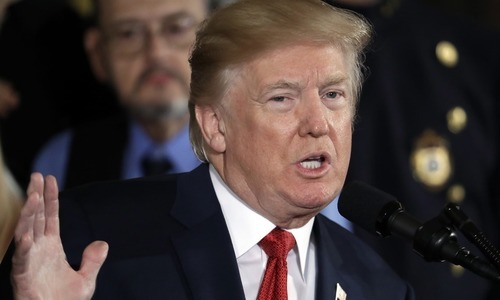
It signals a growing confidence among the Taliban for US troops to pull out of Afghanistan, after US officials last month told various media outlets that President Donald Trump had decided to slash the number of boots on the ground.
There have been reports in the past of talks between Iran and the Taliban, but they have typically been denied by Tehran.
Tehran's peace push will be viewed with concern by hawks in Washington, who fear that Trump's planned withdrawal of troops from Syria and Afghanistan will cede regional influence to Iran.
The Taliban also met with the United States, Pakistan and Saudi Arabia in the United Arab Emirates earlier in December as part of a flurry of diplomatic efforts to end the war.
But the Taliban refused to meet a delegation from Afghanistan. The group said on Saturday its representatives would not meet “with those of the Kabul administration” at the next meeting expected to be held in Saudi Arabia later this month.
Iran's deputy foreign minister Abbas Araghchi will travel to Afghanistan in the next two weeks, the foreign ministry said, without giving further details.
Iran and Afghanistan share a nearly 960-kilometre border, and have had a complex relationship in recent years.
Tehran has long supported its co-religionists in Afghanistan, the Shia Hazara minority, who were violently persecuted by the Taliban during its rule in the 1990s.
Iran worked alongside the US and Western powers to help drive out the Taliban after the US-led invasion in 2001.
But there have been allegations, from Western and Afghan sources, that Iran's Revolutionary Guards have in recent years established ties with the Taliban aimed at driving out US forces from Afghanistan.