Envoy Siddiqui leaves Washington after short tenure
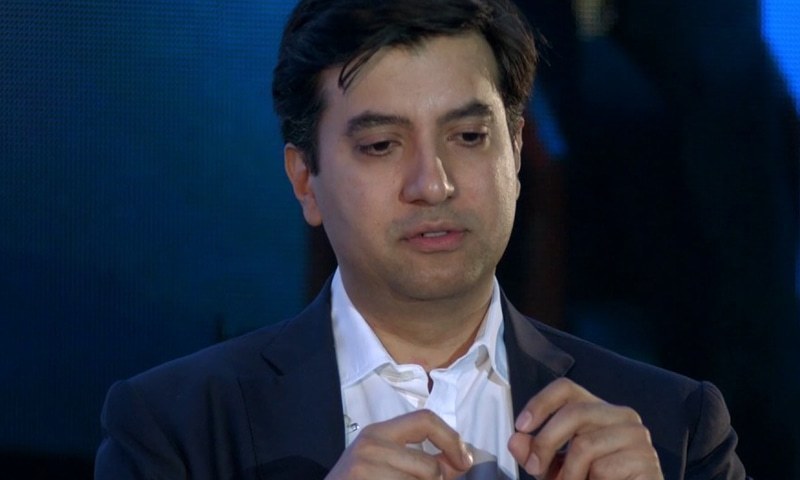
WASHINGTON: Building up a relationship is a process not an event, says the outgoing Pakistani ambassador Ali Jehangir Siddiqui who completed his last working day at the embassy on Monday.
During his May 29-Dec 24 stay in Washington, Ambassador Siddiqui represented the country in the US capital during a period when bilateral relations went from cold to frigid. The bitterness, which began with Osama bin Laden’s discovery in Abbottabad and his subsequent elimination in a US commando action in 2011, has continued to increase over the last seven years.
2018 in review: Pakistan's foreign relations in flux
During Mr Siddiqui’s tenure, there were occasions when both Washington and Islamabad made little attempt to hide this bitterness, creating a difficult environment for the new envoy to operate.
“The relations have improved, although slowly,” said Ambassador Siddiqui when asked how would he judge his efforts to restore once close relationship between the two countries.
“This is a long process and it includes many factors and institutions,” he said. “The embassies, the ministries for foreign affairs and others are all involved in this process.”
For further improvement, he suggested staying engaged with the US Congress. His last major event at the embassy was the inauguration of a Pakistan caucus foundation to boost Pakistan’s image on Capitol Hill.
“We have a caucus, established decades ago, but it has been inactive,” he said. “We need to reactivate it and to use it properly,” he said.
The ambassador also stressed the need for bringing Pakistani parliamentary delegations to Congress for greater cooperation between the two legislative bodies.
He said that 38 US lawmakers had shown interest in joining the new caucus “and we hope to expand it to 50”, which would be about 10 per cent of the 435-member House of Representatives. “If we have these 10 per cent votes with us, it will help us when anything related to Pakistan goes to the House.”
The task of strengthening the new caucus now goes to Dr Asad Majeed Khan, Pakistan’s ambassador in Tokyo who is scheduled to come to Washington next month to take charge of his new responsibilities. Dr Majeed is not new to Washington. He served here as Charge d’ Affaires as interim from May 2013 to January 2014 and as Deputy Chief of Mission from March 2012 to September 2015.
On the last working day before Christmas, the US State Department hosted a farewell reception for Ambassador Siddiqui at the Blair House, the official guesthouse of the US president, indicating that he did succeed in creating a pocket of influence in Washington during his brief stay.
And he used this influence to promote Pakistan’s cause on Capitol Hill and in the US administration. He also worked closely with the Pakistani defence establishment to arrange some important meetings in the Pentagon, which won him Rawalpindi’s confidence as well.
The perception in Washington is that his close relations with a member of the House of Trump and some ruling families in the Middle East also helped Ambassador Siddiqui in Washington, a perception he never confirmed or contradicted.
Published in Dawn, December 26th, 2018