Parliament asked to amend NAB voluntary return law by February


ISLAMABAD: The Supreme Court on Thursday asked parliament to amend the accountability law allowing voluntary return of plundered money by February next year or else the court would pass an appropriate order in this regard.
An SC bench headed by Justice Sheikh Azmat Saeed observed that it was tantamount to confession of offence if an accused person voluntary returned part of ill-gotten money and that it could not undo the crime.
The apex court was hearing a suo motu case about voluntary return.
An amicus curie in the case, Farooq H. Naek, said that a parliamentary committee was working to overhaul the National Accountability Ordinance and suggested that instead of the court, parliament might be allowed to make an amendment to the law.
Justice Saeed said that the court could strike down the voluntary return law since it was an admission of committing of an offence, adding that there was no room in the law to waive criminal liability through an executive order.
In case of failure, Supreme Court may pass an appropriate order
The court made it clear that in case there was no amendment to repeal voluntary return by the first week of February 2019, the court might pass an order in this regard.
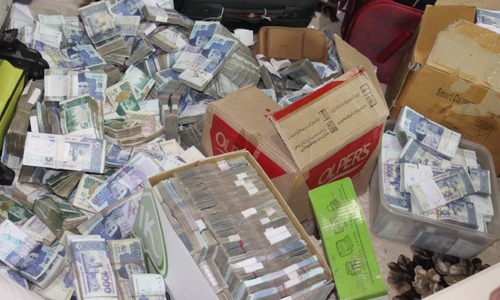
Voluntary return is an option under which an accused returns plundered money during investigation before the filing of a corruption reference in an accountability court. In case of a trial, plea bargain option is used for this purpose.
Last year, Chief Justice of Pakistan Mian Saqib Nisar had said that the apex court would review plea bargain powers of the National Accountability Bureau chairman.
The chief justice had observed that the discretionary powers of the NAB chairman regarding plea bargain could not be unlimited.
He had asked if a person who had committed fraud against the state and then returned (plundered) money, what punishment was there for him.
The chief justice had asked the bureau’s prosecutor why NAB did not decide the matter in prescribed time period while filing a reference.
Justice Nisar had said the court would see whether plea bargain was right or wrong.
Published in Dawn, December 21st, 2018