Qatar to quit Opec in January 2019: energy minister


 16
16


Qatar is to leave Opec next month in order for the Gulf state to focus on gas production, the country's new Energy Minister Saad al-Kaabi announced in a surprise move on Monday.
Qatar has been a member of Opec since 1961, and the decision to pull out comes at a turbulent time in Gulf politics, with Doha under a boycott by former neighbouring allies including Saudi Arabia for 18 months.
“Qatar has decided to withdraw its membership from Opec effective January 2019 and this decision was communicated to Opec this morning,” Kaabi said at a Doha press conference.
Kaabi, who also heads state-owned Qatar Petroleum, denied the move was linked to the feud with Saudi Arabia and its allies.
The decision was “technical and strategic” and had “nothing to do with the blockade”, he said.
Qatar would continue to produce oil and seek deals in countries including Latin America's top oil producer Brazil, said Kaabi.
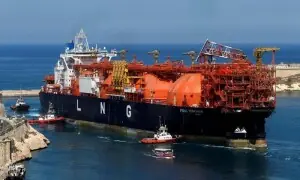
But gas production would remain the top priority for Qatar, which is the world's the biggest exporter of liquified natural gas (LNG).
“We don't have great potential (in oil), we are very realistic,” said Kaabi, who described himself as “Mr Gas” during the conference. “Our potential is gas.
“I think it's inefficient to focus on something that's not your core business and something that's not going to benefit you long-term.”
In September, Qatar announced it planned to boost gas production to 110 million tonnes per year by 2024.
Qatar's oil production is around 600,000 barrels per day and it is the world's 17th largest producer of crude oil, according to specialist website, world data.info.
It also only holds around two percent of the world's global oil reserves, according to the CIA World Factbook.
Kaabi said Opec had been informed of the decision on Monday ahead of the announcement and that he would still attend the organisation's Vienna meeting later this week, his “first and last” as energy minister.
That meeting is expected to set a policy for 2019 and despite Qatar's announcement, oil prices soared on Monday after Russia and Saudi Arabia renewed a pact to cap output.
Opec is dominated by oil-rich Saudi, which along with its allies has had no ties with Qatar since June 2017.
Relations between Riyadh and Doha are at an all-time low as a result of the crisis, which has seen Saudi-led countries accuse Qatar of supporting terrorism and being too close to Iran.
Qatar refutes the allegations and claims rivals want to overthrow its government.