Bangladesh, Myanmar to restart Rohingya repatriation in November

Bangladesh and Myanmar agreed Tuesday to start returning Rohingya refugees in November, less than a week after UN investigators warned that a genocide against the Muslim minority was still ongoing.
More than 720,000 of Myanmar's stateless Rohingya fled a brutal military crackdown in August last year, taking shelter in crowded camps in Bangladesh and bringing with them harrowing tales of rape, murder and arson in a military crackdown.
Investigators have said senior Myanmar military officials should be prosecuted for genocide in Rakhine state, but the country has rejected these calls, insisting it was defending itself against militants.
Myanmar and Bangladesh announced a large-scale repatriation plan in November 2017. But the process hit bureaucratic hurdles almost immediately and it failed to take off, as both sides blamed the other for the delay and rights group warned returning the Rohingya to Myanmar would condemn them to further reprisals.
Authorities in Buddhist-majority Myanmar say more than 100 displaced Rohingya have returned in recent months, but Bangladesh insists that the official process has not commenced.
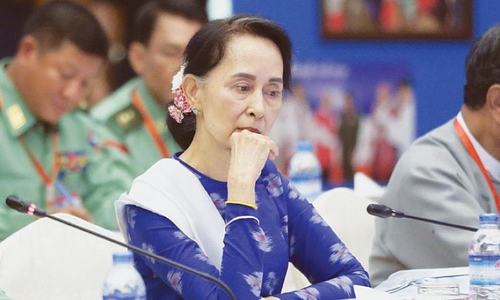
“We are looking forward to starting the repatriation by mid November,” Bangladesh foreign secretary Shahidul Haque said after talks in Dhaka between officials from both countries.
“It is the first phase.” Myanmar's permanent secretary of foreign affairs Myint Thu, who attended the talks, said both sides agreed to a “very concrete” plan to start the process next month.
“We have shown our political will, flexibility and accommodation in order to commence the repatriation at the earliest possible date,” he told reporters.
Myanmar's government has trumpeted every occasion where a Rohingya family has returned, though rights groups have questioned whether the refugees did so voluntarily.
Many fear returning to Myanmar without guaranteed rights such as citizenship, access to healthcare and freedom of movement -- rights that were denied to them long before last year's crackdown.
The pledge to begin returning the Rohingya comes just days after UN investigators warned of an “ongoing genocide” against the Muslim minority in Myanmar.
Marzuki Darusman, chairman of the UN Fact-Finding Mission on Myanmar, said that beyond mass killings, the conflict included the ostracization of the population, prevention of births, and widespread displacement in camps.
The UN says the return of the Rohingya must be voluntary, and conducted in dignity and security. It conducted conducted a survey of conditions in northern Rakhine state last month and reported “mistrust, fear of neighbouring communities and a sense of insecurity” prevalent in many areas.