0
0

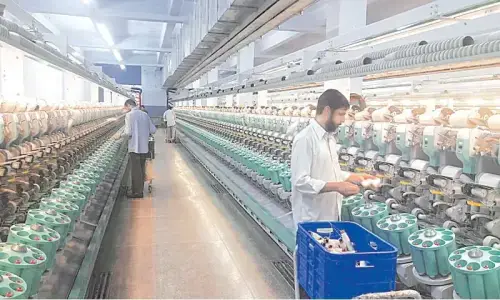
GENEVA, June 15: Developing countries claiming that rising Chinese exports are driving them out of the global textile market pushed for help from the World Trade Organization on Wednesday, sparring with China at a meeting of the global body.
Jordan, Morocco, Tunisia and Turkey said the WTO, which sets the rules of global commerce, should deal urgently with the problems faced by those of its members confronted by dropping prices since the end of a four-decade-old textile export quota system, trade officials said.
Turkish trade diplomats said textile exporting countries are experiencing fierce competition and face the risk of being swept away from their traditional markets.
Hard-hit textile exporters need financial and technical help from the WTO to survive, they said.
However, China’s delegation at a meeting of the 148-member WTO reaffirmed that the global textile industry had been given ample time to get ready for the lifting of quotas at the start of this year, following a 1995 deal.
The end of the quota system has allowed a sharp rise in cheaper Chinese clothing exports to major markets, sparking fears in the United States and the European Union that Chinese imports will squeeze out their domestic producers.
Smaller clothing exporters — such as Turkey and Tunisia — also fear that they will lose out in Europe and North America to unbridled competition from huge Chinese and Indian textile industries.
But Chinese diplomats said that the quota system had long distorted the market and that textile traders should not be surprised that prices had fallen since the start of the year.
The quota system had discriminated against China and hurt the Chinese people and businesses, they told the meeting.
The textile sector should now be treated like any other in world commerce, they said, adding that the WTO’s job was to promote trade competition, not to stabilize market prices.
Indian diplomats also told the WTO meeting their country opposes special measures for particular industries.
China clashed with Turkey and other textile exporters at a similar meeting last month, after Beijing’s delegation opposed a move to discuss the impact of the end of textile quotas.
Several small and mainly developing country exporting nations, in Africa, Latin America and Asia, have also asked the global trade body to examine the effect of changes in the textile trade.—AFP