16
16
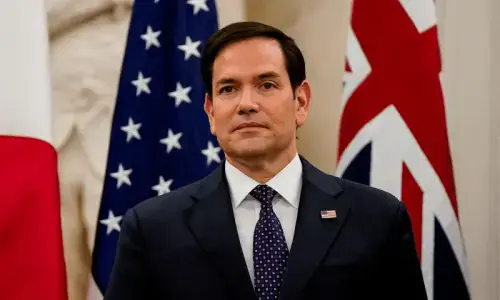
WASHINGTON: The United States and Pakistan will resume their effort to reset a once close relationship on Oct 2, when Foreign Minister Shah Mehmood Qureshi is scheduled to meet US Secretary of State Michael Pompeo in the US capital.
Mr Qureshi has reached Washington on a 10-day official visit to the US that includes talks with the Trump administration and the new Pakistani government’s first interaction with the United Nations.
The visit caught international attention earlier this week when India accepted a Pakistani proposal for a meeting between their foreign ministers in New York and even the US State Department welcomed the move, calling it “terrific news”.
India, however, ended the short-lived excitement by abruptly calling off the meeting, although the State Department still urges “the Indians and Pakistanis … to sit down and have a conversation together” that could lead to “a good, strong bilateral relationship in the future”.
For Pakistan, however, Qureshi-Pompeo meeting was always more important, as they seek to rebuild their relationship with a power that for decades was a close ally.
It was during Mr Pompeo’s first visit to Islamabad earlier this month that the two sides agreed to “reset” their ties on more pragmatic grounds, instead of seeking the revival of a blanket relationship that disappointed both.
Both sides, however, have their own interpretations of the so-called pragmatic expectations.
The United States sees this as end to all cross-border attacks into Afghanistan, cessation of “terrorist” attacks into India and preventing extremist groups from collecting funds inside Pakistan.
Unless Pakistan does that, there will be no resumption of the security assistance that was suspended in January this year. A news item in a US newspaper, The Washington Times, however, claimed that the Trump administration is divided over whether to resume the aid now.
Although played up in the Pakistani media, the news item also hinted that Washington expects the new Pakistani government to take steps that could lead to the resumption of aid. This, in plain language, means no security aid until cross-border attacks stop.
Pakistan too has its own expectations and top on this agenda are:
Revival of the once close relationship, US support for Pakistan’s efforts for a bailout package from the IMF, and also to help prevent the international financial watchdog, FATF, from putting Islamabad on its black list. Pakistan is already on the grey list.
The United States believes that Pakistan can still influence Taliban insurgents — particularly the Haqqani Network — to persuade them to join the Afghan peace process.
Published in Dawn, September 23rd, 2018