The Pakistan Tehreek-i-Insaf on Saturday announced that Prime Minister Imran Khan has finalised the names of his 21-member cabinet, Radio Pakistan reported.
The announcement comes hours after Imran Khan took oath as the 22nd prime minister of Pakistan earlier in the day.
According to a list issued by the party's central media department, out of the 21 names announced 16 have been given the portfolio of a minister while five others will perform their duties as advisers to the premier.
The newly announced cabinet is expected to take oath at the Aiwan-i-Sadr on Monday.
Ministers
Law and Justice: Dr. Muhammad Farogh Naseem
States and Frontier Regions: Chaudhary Tariq Bashir Cheema
Religious Affairs and Interfaith Harmony: Noorul Haq Qadri
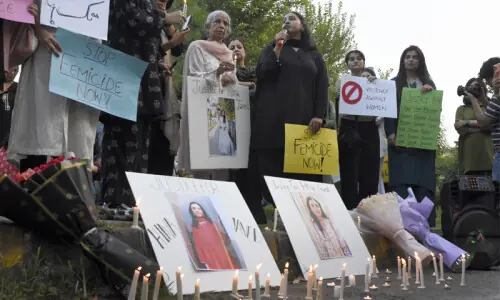
Human Rights: Dr Shireen Mazari
Petroleum Division: Ghulam Sarwar Khan
Defence Production: Zubaida Jalal
Information and Broadcasting Division: Fawad Chaudhry
National Health Services, Regulations and Coordination: Aamir Mehmood Kiyani
Ministry of Foreign Affairs: Shah Mahmood Qureshi
Ministry of Defence: Pervez Khattak
Finance, Revenue and Economic Affairs: Asad Umer
Ministry of Railways: Sheikh Rashid Ahmed
Inter-provincial Coordination: Fehmida Mirza
Information Technology and Telecommunication: Khalid Maqbool Siddiqui
Federal Education and Professional Training; National History and Literary Heritage Division: Shafqat Mahmood
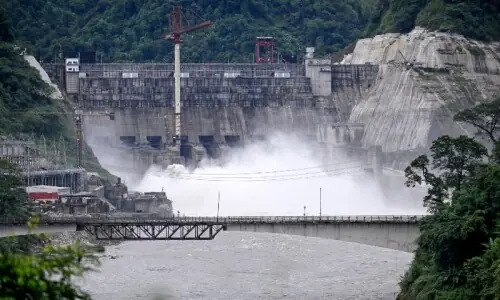
Water Resources Ministry: Makhdoom Khusro Bakhtiar
Advisers
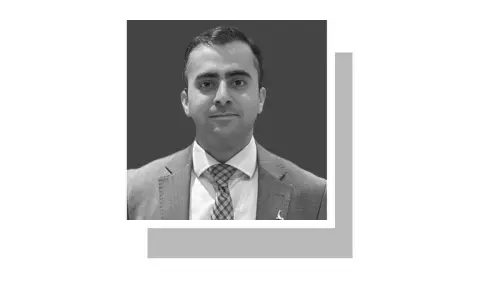
Establishment Division: Mohammad Shehzad Arbab
Commerce, Textile, Industry & Production and Investment: Abdul Razak Dawood
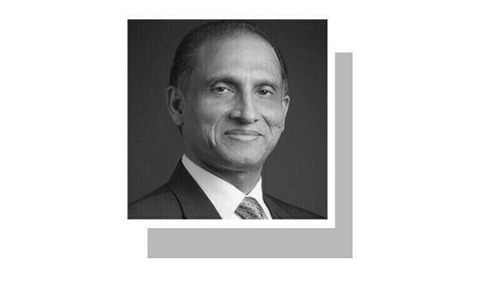
Institutional Reforms and Austerity: Ishrat Hussain
Climate Change: Amin Aslam
Parliamentary Affairs: Babar Awan
According to the 18th Constitution Amendment, the size of the federal cabinet should be not more than 11 per cent of the total strength of the National Assembly and Senate.
Imran Khan and his cabinet face a myriad of challenges including militant extremism, water shortages, and a rapidly growing population negating growth in the developing country, among others.
A massive power outage that plunged over 60 per cent of Karachi and Balochistan province into darkness on Friday evening starkly highlighted a chronic energy crisis the country faces.
Most pressing is a looming economic crisis, with speculation that Pakistan will have to seek a bailout from the International Monetary Fund.
PTI fell short of an outright majority in the July 25 vote, forcing Khan to partner with smaller parties and independents in order to form a government.
But it retained its stronghold in northwestern Khyber Pakhtunkhwa province and has made an alliance with regional parties in Balochistan.
The PTI has secured the positions of Speaker and Deputy Speaker in the National Assembly — putting Khan in a strong position to act on his legislative agenda.