ISLAMABAD: 10 major cities in Pakistan make up more than half – 54pc – of the total national urban population, The State of Pakistani Cities Report 2018 has found.
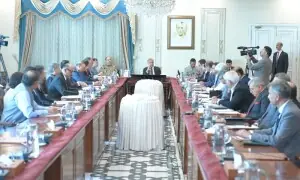
The report was launched by the Ministry of Climate Change and UN Habitat with the support of the Australian government.
It described the conditions of 10 major cities, including Karachi, Lahore, Faisalabad, Rawalpindi, Gujranwala, Peshawar, Multan, Hyderabad, Islamabad and Quetta, and their efficacy to respond to urbanisation challenges.
The study also shed light on how cities varying in terms of the size of their economy, employment and tax revenues and explains that services and industry are the major employment sectors.
The share of the services economy in cities is larger than in the national economy, the report revealed, and Pakistan generates 95pc of its federal tax revenue from its 10 major cities. Karachi contributes 55pc, Islamabad contributes 16pc and Lahore contributes 15pc.
Poverty in urban areas is also a major and visible phenomenon, the report said. Six out of 10 major cities have double-digit poverty figures – Quetta has the highest poverty rate at 46pc while Islamabad has the lowest at 3pc.
The chief guest at Thursday’s report launch, Climate Change Minister Mohammad Yousaf Sheikh said that adapting to climate change is becoming necessary and developing climate resilient cities and infrastructure is imperative.
He said the report had found that the delivery of basic urban infrastructure and utilities has not kept pace with rapid urbanisation. Pakistani cities need to better plan and manage their development to overcome urban challenges and meet their citizens’ demands, he said, and prosperous cities need to be more responsive to the environment.
Mr Sheikh said the rapid urban population increase would surpass rural population by 2030 and vision 2025 seeks to have smart cities in Pakistan.
Finance Minister Dr Shamshad Akhtar drew attention to growth in urbanisation due to internal migration, the influx of refugees, natural disasters, economic disparities in rural areas and a decline in agricultural sectors.
She said that there were a number of challenges that include waste management, carbon emission and a lack of civic sense above all. She said equity and inclusiveness should be the main principles for urbanisation.
Australian High Commissioner Margaret Adamson described the initiative as timely for sustainable cities. She also praised many policy initiatives taken by the Pakistani government, including Vision 2025 and water policies.
The State of Pakistani Cities report is spearheaded by the United Nations Human Settlement Programme, also known as UN Habitat.
Published in Dawn, July 20th, 2018