Turkey's currency, the lira, has fallen to a record low against the dollar amid concerns about an outflow of investor capital and the country's ability to manage the situation.
The lira dropped to over 4.80 per dollar on Wednesday, down some 5 per cent since Tuesday.
The Turkish Central Bank is under pressure to hold an emergency meeting to sharply increase rates before a scheduled monetary policy meeting on June 7, but is seen to be reluctant as President Recep Tayyip Erdogan wants rates low. Higher rates can support a currency and ease inflation, but also hinder economic growth by making borrowing more expensive.
The lira has lost more than 20 per cent of its value against the dollar since the start of the year. The risk is that will increase the price of imports, making Turkish people effectively poorer. It could also encourage more investors to pull their money out if they expect that the value of their investments to drop as the currency declines.
Turkey's market jitters in part reflect a global trend in which the currencies of emerging economies have come under pressure. Economists say that is partly because the US Federal Reserve is raising interest rates, encouraging investors to place their money in the US instead of other economies.
Because Turkey is particularly dependent on foreign capital, its markets are one of those to have suffered most. Other countries that have seen sharp drops in their currencies include Brazil and Argentina.
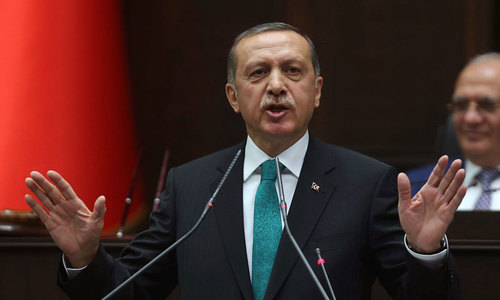
But Turkey's currency is under particularly heavy pressure because of the complicated political backdrop. While a central bank is in theory independent from the government, Erdogan has put pressure on it to not raise rates as he prepares for early presidential and parliamentary elections next month.
Jason Tuvey, an economist with Capital Economics in London, says that if the central bank “continues to bow to pressure from Erdogan and refrains from raising interest rates, that would lead to an even sharper fall in the currency”.
In an apparent effort to ease some of the strain on the currency, the Istanbul stock exchange said on Wednesday it had converted its foreign currency assets into lira. In a statement, the company said it had kept some foreign currency assets to meet short-term needs.