0
0

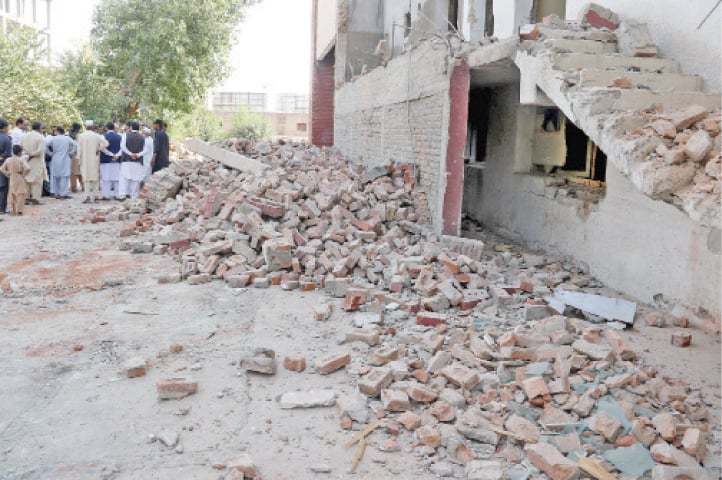
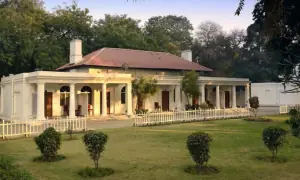
The directorate of archaeology and museums, Khyber Pakhtunkhwa, faces several obstacles to tackle the issue of protection and preservation of thousands of heritage sites.
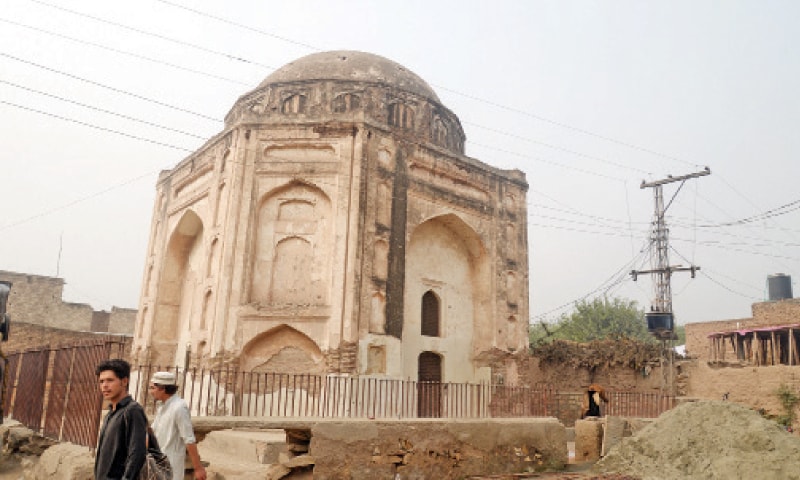
According to officials of the directorate, Khyber Pakhtunkhwa has around 6,000 heritage sites and only 120 of these are protected sites while the rest hang constantly under the sword of vandalism, plunder and illegal excavation at the hands of so-called treasure seekers.
The officials said that they were unable to depute a guard at every single heritage site. They added that they didn’t enjoy the executive authority to arrest or directly charge the plunderers of ancient heritage sites.
The Antiquities Act, 2016 says: “No person shall, except for carrying out the purposes of this Act, destroy, break, damage, alter, injure, deface or mutilate or scribble, write or engage any inscription or sign on, any antiquity or take manure from any protected antiquity or important antiquity.
Whoever contravenes the provisions of sub-section (1), shall be punishable with rigorous imprisonment for a term, which may extend to five years, or with fine up to rupees two million, or with both.”
Another clause of the Antiquities Act, 2016 says: “Government shall remove all encroachments built, erected, installed over or within the demarcated area of any protected antiquity, important antiquity or registered antiquity to save them from potential damages.”
According to experts, plundering an ancient heritage is tantamount to tarnishing image of their past and an attempt to get disconnected from past history, ancient civilisation and an entire world old art and culture. This philistine attitude towards the past, they believe, is another reason behind vandalism of heritage sites.
“One of the widespread public misconceptions about old structures is that ancient sites contain treasure in the shape of gold ornaments or statues made of gold. It is totally wrong and baseless. Not all people were kings and queens. They were human beings but lived life different from us,” said Saad Jan, a student of archaeology department, University of Peshawar.
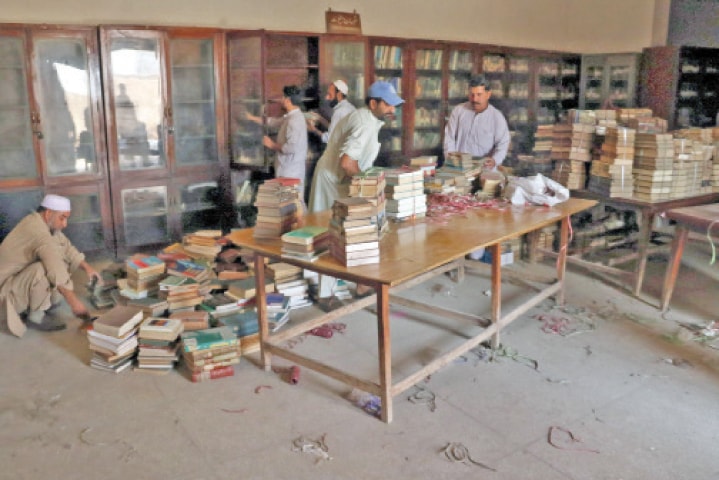
Despite, the most comprehensive Antiquities Act passed by Khyber Pakhtunkhwa Assembly in 2016 to ensure protection, preservation, development and maintenance of ancient sites in the province and also to encourage research related to these places, the heritage sites are still under the constant fear of plunder and destruction.
Experts cited various reasons for plundering of historical sites including lack of awareness, litigation over the possession of ancient sites, lack of vigilance by the authorities, illegal excavations and encroachments.
Recently, the KP archaeology department through Peshawar administration demolished a wedding hall right inside the famous protected heritage site of Gor Khatri which was due many years ago. The belated step was widely appreciated by all and sundry including civil society members and tangible heritage activists.
Dr Adil Zareef, a noted proponent of old sites, told this scribe that implementation of laws regarding anything in their country was the biggest issue.
He said that implementation of Antiquities Act, 2016 in letter and spirit could be one big reason but public awareness about the significance of heritage sites also needed to be raised at all levels.
He said that Sarhad Conservation Network (SCN), formed for protection and conservation of old structures in the province, was no more functional but it had saved a large number of heritage sites from demolition and many other kinds of hazards. He said that many of those old sites existed in the provincial metropolis.
Mr Zareef said that the worst law and order situation caused serious threats to their social values, local culture and even their strong voice against philistinism. He said that Khyber Pakhtunkhwa being the cradle of the glorious Gandhara civilisation was still rich in ancient sites.
“I am working on a plan to revive SCN and also to work with other organisations for reclaiming the lost treasure of our past glory. I appreciate the efforts of the archaeology and museums department but we still have a long way to go. Protecting our old sites should be our top priority,” he said.
Shafeeq Giyani, chief executive officer and co-founder of “Selani Tour Guide” (STG) and youth culture activist said: “It is time to work to promote and preserve our heritage treasure and own it and also to motivate our youth for creative entrepreneurship.”
He said that they had taken the initiative in collaboration with directorate of archeology and museums. “Our main objective is creating awareness among people about the significance of old sites. Also, it will promote local tourism and social cohesion among people,” he said.
Mr Giyani said that his organisation would arrange trips for schoolchildren to historical places, cultural resorts and ancient heritage sites across the province. He said that he was working on preparation of heritage sites map so that young generation could know about those in detail.
Dr Abdul Samad, the director of archeology and museums, Khyber Pakhtunkhwa, said whenever his department received information from anywhere regarding any damage to heritage site, they immediately informed the local authorities for taking action against the culprits. He said that they didn’t have powers directly to charge anyone.
Dr Samad told this scribe that he was trying his best to implement the Antiquities Act in its true sense. He said that it could only be implemented if the authorities concerned, general people and civil society jointly took pains to help protect old structures. He said that from 40 to 50 students had been conducting research at various levels from different universities on heritage sites in the province.
“My department has carried out many important excavations, removed encroachments from the heritage sites and is trying to create public awareness on protection, perseveration and importance of old structures. Public ownership with responsibility is a must,” said Dr Samad.
He said that archeologists, conservationists, scholars, teachers and civil society members should join hands to help them to save their ancient treasure.
Published in Dawn, January 7th, 2018