LAHORE: While the Muslim League’s two-nation theory tends to dominate conversations around the idea of Muslim nationhood, historian Ali Usman Qasmi’s a co-edited volume, titled Muslims against the Muslim League: Critiques of the Idea of Pakistan, attempts to problematise this notion and provides a deeper understanding of the political debates taking place in the 1940s with the definition of Muslim nation and its future at the heart of these debates.
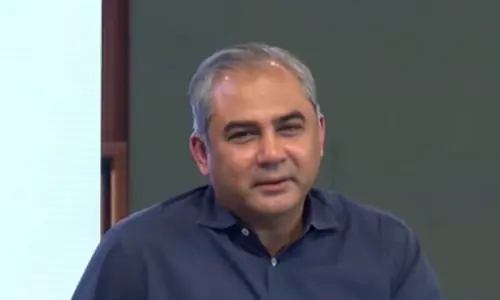
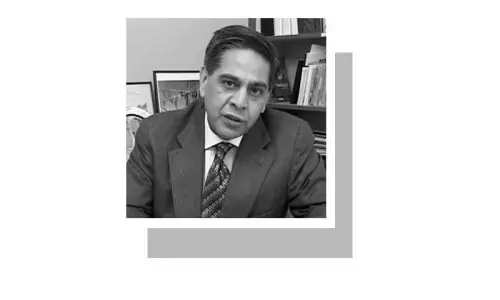
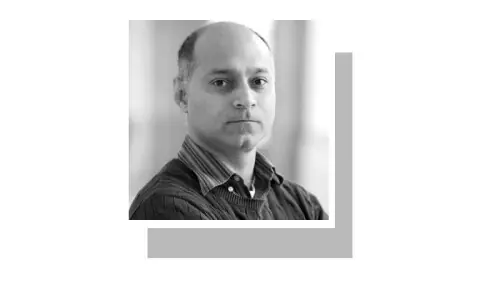
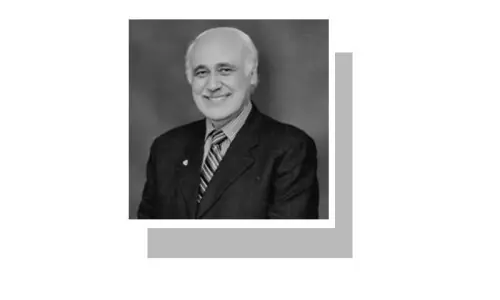
Dr Qasmi, author of The Ahmadis and the Politics of Religious Exclusion in Pakistan, co-edited this volume with Megan Eaton Robb of the Oxford Centre for Islamic Studies. It was launched at the Lahore University of Management Sciences (LUMS) on Thursday where Dr Qasmi is an associate professor. On the panel along him were the historians who have contributed chapters to the book – Professor Tahir Kamran, dean Faculty of Arts and Social Sciences at the Government College University, Dr Ammar Ali Jan from the Punjab University, Dr Newal Osman from the Institute of Business Administration and Dr Ali Raza from LUMS.
Dr Osman discussed her work on the politics of the Unionist Party (UP), a class-based party, as she explained, led by large landowners in Punjab. The idea of Muslim nationhood as understood by the Unionist Party under Sikander Hayat Khan and his predecessors, she argued, largely centred on Punjab where they were vying for greater provincial autonomy in a post-colonial India.
Dr Kamran’s chapter on Chaudhry Rehmat Ali looks at his idea of Pan-Islamism and vision for a separate continent (Dinia) for the Muslims.
Dr Jan spoke about an overwhelming feeling for ‘need to usher in a new era,’ born out of the disillusionment of the British following World War I. Situating his work in the political debates of the 1920s, Dr Jan said this was a time when the idea of self-rule was gaining traction in politics and traditional sources of sovereignty were in disarray.
“The volume is an attempt to collect the voices and viewpoints that shaped the debate around Muslim nationhood but have not been recorded,” Dr Qasmi said.
Published in Dawn, October 13th, 2017