0
0

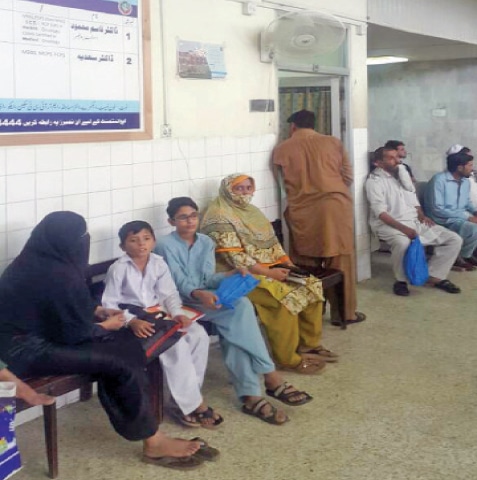
Sumaira Yasmin, 34, has been suffering from bone marrow cancer for almost 13 years and runs up a whopping medication bill of Rs476,000 every month.
Yet the poor Rawalpindi homemaker, now living in Faisalabad, is extremely lucky. For she gets the medicine Gilvec tablets free. Her husband Chaudhry Mujahed does not earn in 30 months what the Bait-ul-Mal pays for her one month supply of the drug.
But she is bothered by the hassle involved in securing the medicine from Islamabad.
“Ten years back, I had to depend on homeopathic medicines because that was the treatment we could afford,” said Ms Yasmin, who had also been visiting a spiritual healer in search of relief. But her condition continued worsening.
A relative couldn’t stand seeing her constantly writhing in pain and took her to a private hospital.
“There, Dr Saleem Siddiqui looked into my medical history, and on learning about my poor financial condition, he told me that an NGO had been helping patients of bone marrow cancer with free of cost medicine. The good doctor also gave me the application form and guided me to the way to get medicines,” she said.
She completed all the documentation and the NGO started giving her a monthly supply of the medicines through the Pakistan Baitul Mal.
“Now I am provided the medicine under the Punjab Chronic Myeloid Leukemia (CML) Free Treatment Project. But for that I have to visit Dr Saleem Siddiqui in Islamabad, who recommends releasing me the medicine for one or two months as I come from Faisalabad,” she said.
“That done, I have to go to the releasing authority in I-10/3 of Islamabad to get the medicine after returning them the empty packets from the previous supply,” she said.
Quite a hassle, but all patients of bone marrow cancer are not as lucky as Ms Yasmin. A vast majority of them have to buy the medicine.
Head of the Oncology Department at Pakistan Institute of Medical Sciences (Pims) Dr Qasim Mehmood told Dawn that medication for the disease can cost a patient anywhere between Rs3.5 million per year and Rs500,000 per month.
“Apart from the affordability of cancer drugs, availability of medicine for neurotherapy is also very difficult in Pakistan. It is even beyond the financial resources of the government to provide free medicine to every patient reporting to its hospitals, and that is quite a number every day,” he said.
“Our population is increasing and so is the disease of cancer. In other countries medical insurance deals with the high cost of treatment, and that is also the only practical solution for Pakistan,” said Dr Mehmood.
But he agreed that the imported medicines are sold at 10 times their landed cost in Pakistan.
“In India that issue has been resolved through compulsory licensing. Unfortunately in Pakistan medicines are hardly manufactured under compulsory licensing,” he said.
Foreign manufacturers fix prices of their patent medicine that are hundreds of times higher than the production cost, in the name of research costs.
Countries which cannot afford such high prices of drugs, manufacture the same at home under what is called “compulsory licensing”.
Dr Mehmood supported Third World countries going that way, noting that while the patient load is very high in Pakistan, awareness about the diseases is low.
“In fact, the word ‘cancer’ has become a stigma, due to which people try to hide the disease and suffer more as late diagnoses worsens the disease and delays its treatment,” he said.
However, despite all the awareness campaigns the disease has been taking an ever increasing toll in the country. After cardiovascular disease, cancer is the second biggest killer in the world. An estimated 8.2 million people died from cancer in 2012.
In Pakistan cancer is among the leading causes of the Non-Communicable Diseases (NCDs) which constitute 60pc of the total health burden of the country. Smoking and use of tobacco in various other forms are the major risk factors behind incidence of cancer.
An official of the Ministry of National Health Services (NHS) said that in the USA many blood cancers are now treatable with pills instead of chemotherapy. “And many new drugs are being manufactured, in our neighbouring countries, such as India but their import in Pakistan is prohibited,” he added, requesting anonymity.
Many blood cancers can also be cured by Bone Marrow or Stem Cell Transplantation from patient’s own or a donor’s stem cells. Transplant is expensive, around Rs4 million and most patients cannot afford that.
Last year, the government had announced a cancer hospital will be established in the federal capital but no funds appear for the project in the federal budget for 2017-18.
A firm hired to prepare the feasibility of the cancer hospital in October 2015 has completed the job. It was also asked to determine whether the city needed a separate hospital for cancer patients or the treatment be provided in some existing general hospital.
However, the budget provides funding for neither. “Since tobacco is the major reason for the incidence of cancer, the NHS ministry has been concentrating on curbing its use through legislation and punishments,” said the ministry official.
Genetic and environmental factors like polluted food, radiations and infections also are contributing causes of cancer, he said.
Health sector consultant Nadeem Hussain Alamgir noted that internationally the anti-cancer research is focused on biological drugs.
Biological drugs are the type of drugs that are either produced by living organism, such as bacteria or virus, or are extracted from the living organisms. These products are proving highly effective compared to the older, simpler pharmaceutical molecules.
However, the high price tag is a drawback of these products.
“Unlike the simpler pharmaceutical molecule, the replication of the biological drug is extremely difficult and considering its larger impact on humans because of nature of these products developed world has given a new nomenclature to products claiming to be second product after the innovator and these products are called Bi-Similar and not Generic Drugs.
“The reason is that the extraction of these molecules from the same kind of living organism in a different environment or conditions may not produce same product as that of innovator,” he said.
“But, unlike simple pharmaceutical molecule, the Bio-Similar product requires similar vigorous testing as the originator like clinical trials etc to prove its similarity with the originator brand. Thus it is highly important that while approving Biological anti cancer products the regulator has to be extremely cautious and strict in implementing WHO guidelines. Otherwise a Non-Comparable Bio-similar product can get approved that is detrimental to public health,” said the consultant.
Mr Alamgir said that while ensuring availability of cheaper version of biological anti-cancer drugs, the government must also see that all safety parameters as defined by WHO are followed so that only true bio-similar products are approved for the treatment of cancer.
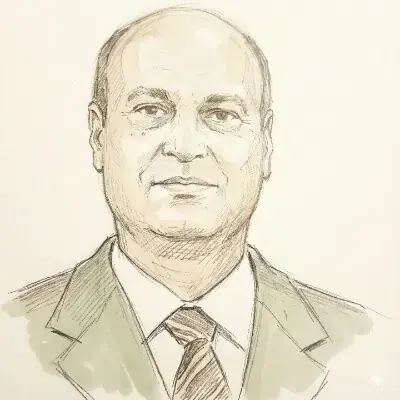
Federal Secretary Ministry of NHS Ayub Sheikh while talking to Dawn agreed that the treatment of cancer requires a lot of money. “That is why Prime Minister National Health Insurance Programme has been introduced,” he said.
“The programme also covers cancer patients who can get treatment worth of Rs 250,000. That amount can be doubled. Currently the programme has been launched in 25 districts but soon it will cover entire country to the benefit of some 100 million people who earn less than $2 per day,” he said.
Published in Dawn, July 2nd, 2017