Bank profits dealt a blow on low bond yields
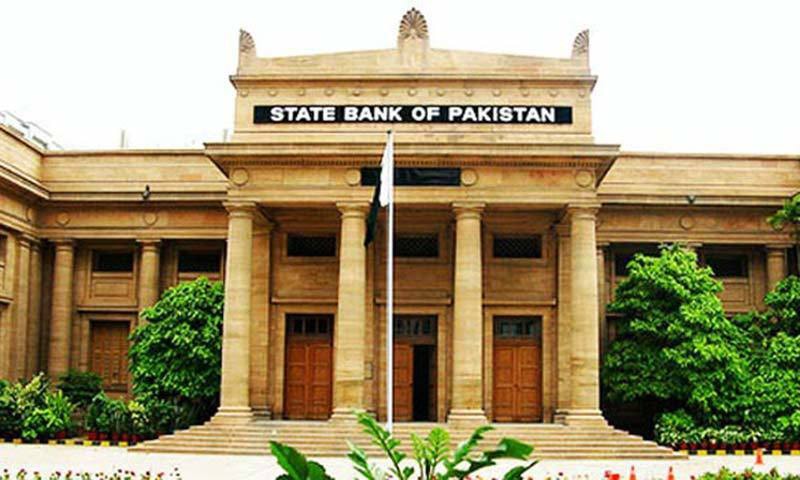
KARACHI: The banking industry’s profits dropped 40 per cent to Rs137.8 billion during the nine months to March as yields on government bonds, heavily relied on by banks as they are risk-free, remained low.
Moreover, the direct tax collection grew 10.2pc during the July-March period compared to a growth of 15.4pc a year earlier. The slowdown can be traced to a reduction in the corporate tax rate amid slower pace of increase in corporate profitability.
Banks’ interest in government securities, as evident from the bidding pattern in recent auctions, also revived during the quarter to March. However, the offer-to-target ratio was much higher for treasury bills than for Pakistan Investment Bonds (PIBs), according to the State Bank of Pakistan’s (SBP) third-quarterly report.
Against a target of Rs2.5 trillion, commercial banks offered Rs4.3tr for treasury bill auctions held during the third quarter. Most offers were for three-month and six-month tenors. The government accepted significantly higher amount compared to the target to facilitate the retirement of maturing PIBs in the quarter.
Besides, there was a shift in government borrowing away from the SBP during the second and third quarters of the outgoing fiscal year. The government retired Rs177.3bn to the central bank during the two quarters after borrowing heavily from the SBP in the first quarter. This retirement was made possible through a drawdown of government deposits held with the SBP and increased borrowing from commercial banks.
PIB auctions depicted a relatively different picture in the January-March quarter. As a whole, the government did not meet pre-auction targets as banks were bidding for higher rates. With these developments, the composition of Pakistan’s domestic debt saw a shift, i.e. a significant substitution of long-term debt with short-term debt. With an increase of Rs1.6tr in July-March, the share of floating debt rose to 44.8pc by end-March from 36.7pc by end-June 2016.
While short-term borrowings helped curtail the servicing cost, they worsened the maturity profile and increased the government exposure to rollover and re-pricing risks.
“For instance, the debt re-fixing in one year increased to 53.6pc in December 2016 from 47.7pc in June 2015,” the SBP report said, adding that the average time to maturity fell to 2.1 years in December 2016 from 2.3 years in June 2015.
In terms of ownership, although a part of government securities shifted to non-bank financial institutions through secondary market trading, around 80pc of the government securities are still held by the commercial banks.
Like commercial banks, non-banks also substituted their investment from PIBs to treasury bills during the first quarter of 2016-17. However, increased investment in both types of bonds represented fresh investment during second and third quarters.
Published in Dawn, July 2nd, 2017