Former Ethiopian minister becomes first African to lead UN health agency


 1
1


Tedros Adhanom Ghebreyesus, a former Ethiopian minister of health, was elected as the next director-general of the World Health Organisation on Tuesday, becoming the first non-medical doctor and the first African tapped to lead the UN health agency.
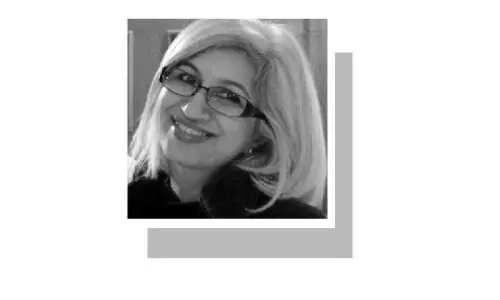
Delegates, health ministers and other high-level envoys chose Tedros over Britain's Dr David Nabarro, a UN veteran, in the third and final round of voting. Tedros had 133 votes to Nabarro's 50, with two abstentions. The third candidate, Pakistan's Dr. Sania Nishtar, was eliminated in the first round.
Ethiopian delegates could be seen hugging and high-fiving each other after their countryman made it to the second round. Tedro succeeds China's Dr. Margaret Chan, who is ending a 10-year tenure at the UN health agency on June 30.
The director-general of WHO wields considerable power in setting medical priorities that affect billions of people and declaring when crises like disease outbreaks evolve into global emergencies.
The agency has stumbled in recent years, most notably in its error-prone response to the 2014 Ebola outbreak in West Africa and all three candidates vowed to overhaul its organiaation to restore credibility.
Of the UN health agency's 194 member states, 185 were eligible to cast ballots; nine others either were in arrears on their dues or not represented at the gathering.
Jean-Marie Ehouzou, the African Union's top envoy in Geneva, expressed “happiness, happiness, happiness” at the result.
“It's not only a question of symbolism,” he said, referring to Tedros' status as the first African to run WHO. It shows when we are united, we can do everything.”
Before voting started, Tedros said it was almost “pure luck” that he was competing to lead WHO. In his appeal to voters, Tedros noted that when he was growing up in Ethiopia, his 7-year-old brother died of a common childhood disease, and it easily could have been him instead. He did not specify the disease.
His humble background, Tedros said, taught him to refuse “to accept that people should die because they're poor.” He said he would work “tirelessly to fulfil WHO's promise of universal health care,” among other pledges.
“There is real value in electing a leader who has worked in one of the toughest environments,” Tedros said, adding that he could “bring an angle the world has never seen before.”
The former health minister has been dogged by allegations from one of his rival Nabarro's advisers that he covered up cholera outbreaks in Ethiopia, and protesters have occasionally interrupted proceedings at the meeting in Geneva this week.
But Tedros received a boost from Dr. Thomas Frieden, an ex-director of the US Centres for Disease Control and Prevention. Frieden wrote a letter published in the New York Times last week that commended Tedros for his creation of a network of 40,000 female health workers that implemented programmes to save people from dying of diarrhea and other causes.
Nabarro tweeted his congratulations to Tedros after the vote, writing, “I urge everyone to unite behind him and his vision.”
Other health experts welcomed Tedros' election, applauding his experience reforming health systems in Ethiopia. “He will bring great insight and the political leadership necessary to restore trust in the WHO at a critical moment in its history,” said Dr. Jeremy Farrar, director of the Wellcome Trust, a major British charitable foundation.
UN Secretary-General Antonio Guterres added his congratulations on Twitter, writing, “Your leadership of @WHO will be crucial to ensuring healthy lives and promoting well-being for all at all ages.”