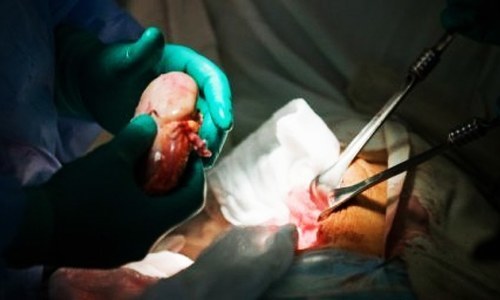
ISLAMABAD: Intensified efforts by parliamentarians and human rights activists to stop the trade in human organs and illegal transplantation in the country have done little to curb the practice.
Last month, an MNA unveiled some harrowing facts of the trade before the National Assembly Standing Committee on National Health Services (NHS) while defending his bill Transplantation of Human Organs and Tissues (Amendment) Bill 2017.
MNA Babar Nawaz Khan, who is the chairman of the National Assembly Standing Committee on Human Rights, alleged that some private hospitals in the federal capital were involved in sale-purchase of kidneys.
Recalling that an organised gang, engaged in kidney selling, was busted in Rawalpindi some three months back, he regretted that no one bothered to take “strict action” against the group. Members of the gang were moving freely in the city, according to him.
“Youngsters are blackmailed and then forced to sell their kidneys,” he said. “A number of cases have been reported from Model Town Lahore in which people snared into loan rackets were forced to donate kidneys. For owing just tens of thousands rupees they are made to part with their kidney by forcing them to state before a magistrate that they want to donate their organ free.”
Mr Khan wanted those found involved in the illegal trade punished with imprisonment for five to 10 years.
On May 4, the same issue was discussed by the Senate Standing Committee on NHS. Senator Khalida Parveen made the shocking statement to the committee that some doctors of the biggest hospital of the federal capital were involved in the organ trade.
“Doctors at the Pakistan Institute of Medical Sciences (Pims) advise people seeking transplantation to get tissue matching tests done at their laboratories and they would arrange a donor and do the surgery for around Rs1.3 million,” she alleged.
PTI Senator Azam Khan Swati claimed that the human organ transplant is a Rs2 billion business in Pakistan and so a difficult proposition to stop.
However, the situation did not look as hopeless to Dr Shabbir Lehri, the president of the Pakistan Medical and Dental Council. He assured the committee that the situation can be saved and that the licences of doctors involved in business of illegal transplants, will be cancelled.
But Mr Lehri too had some worrying facts to share with the committee why illegal transplants were happening.
In the United States of America, he said, as many as 40pc people donate their body organs whereas in Pakistan that ratio was just 0.4pc.
Dr Lehri claimed that the council has taken action against the illegal transplant of the human organs in Islamabad and said that some of the doctors have left the country because of action by the council.
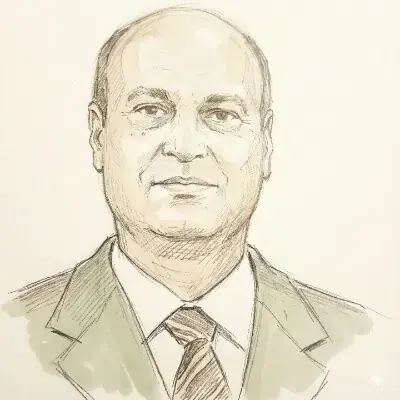
While the issue of transplantation of human organs has been hotly debated at different forums for some time, the chief of the Human Organ Transplant Authority Dr Ishtiaq A. Malik last month sent his resignation to the NHS secretary.
Dr Malik claimed that a media campaign was started against him because he wanted to implement the laws regarding transplant of human organs.
He told Dawn that he resigned because even prominent officers of the ministry seemed helpless in the face of powerful mafias that were not willing to submit to those laws.
“When I tried to enforce the law, a settled case against me in the US was used to defame me in Pakistan, forcing me to resign,” he said.
An official of the Ministry of NHS said on condition of anonymity that indeed the mafia behind the business of human organs was very strong – so strong that none could stand against it.
“There are villages in Punjab where almost half of the adult residents have sold their kidneys. Majority of them didn’t even get the promised money. Even senior doctors, running own clinics and hospitals, are found involved in the business,” he claimed.
“It is unfortunate that complaints had been received from outside the country that people who underwent transplant surgery in Pakistan later developed complications as quality of those operations was not up to the mark. Worse, effective action could not be taken against the mafia,” he said.
According to the official, the National Commission of Human Rights has taken notice of the issue and has been pushing different departments to stop the illegal business.
“There is need to do much more,” he said. “As long as there is no political will to address the issue, the heinous crime of organs trafficking would continue.”
Published in Dawn, May 7th, 2017