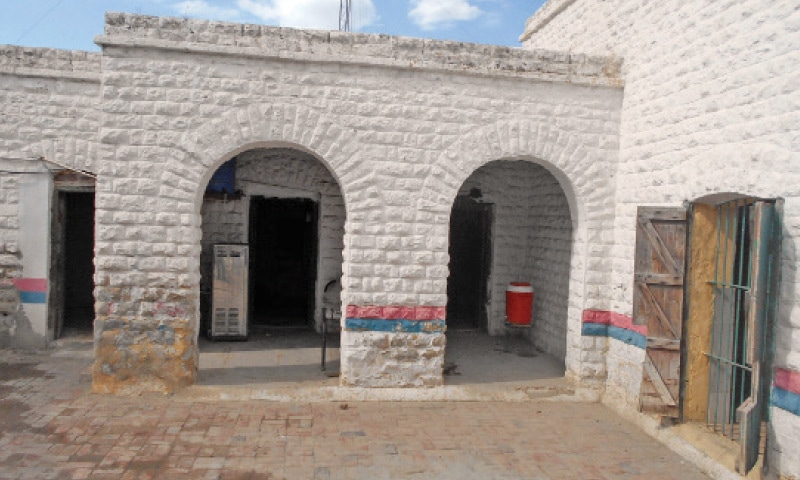
With his sleeves rolled up, Sub-Inspector Ali Akbar sits hunched over his desk at a police station some 55km west of Chakwal city, writing the history of a case with a pencil.
Except for the uneasy look he wears, not much distinguishes him from the police officers who would have worked at the same desk at the 125-year-old Neelah police station. Ali Akbar occasionally gives a worrying look to the crumbling ceiling of his office.
Though the British colonialists often used coercion to hold their writ on India, the services they rendered and the facilities they built still stand as testimonies of their vision and aesthetic sense.
That is reflected not only in the educational institutions, hospitals and other government buildings they built but also in the modern, community policing they introduced across their colony.
In 1861 the British Raj introduced Indian Councils Act, through which a modern and professional police force was created in India which later called as Indian Imperial Police.
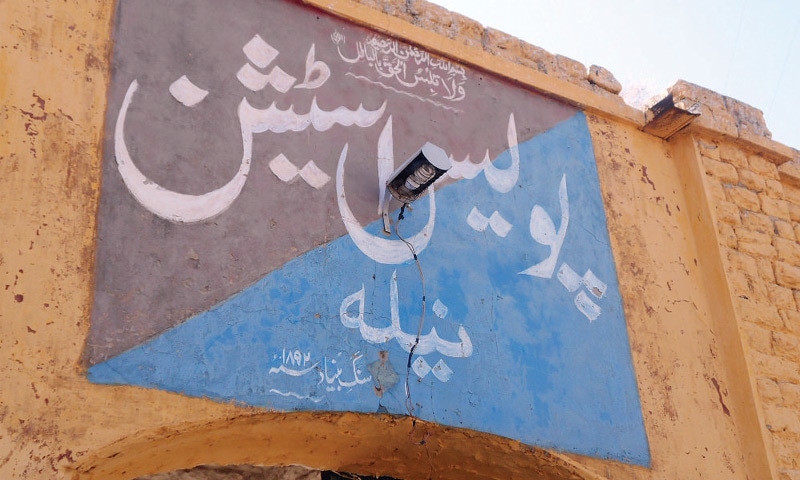
Police stations were set up at specified distance and precincts to maintain law and order. They were constructed with proper design and planning. Each one had a large and strong wooden door at the main entrance, two locker rooms by the sides of the moharar’s (registrar) office and that of the station house officer (SHO) and investigation officers, while a spacious veranda opened up to a courtyard.
Five British-built police stations are in service till this day in the Chakwal district. Dating back to 1861 to 1892, they are buildings to see in Dohman, Kallar Kahar, Neelah, Tamman and Lawa. Perhaps, the police station in Neelah village, built on a mountain top, is the most scenic of them, with Soan River flowing quietly at its foothills. A police rest house also stands nearby as well as the bungalow for “SHO Sahib”.
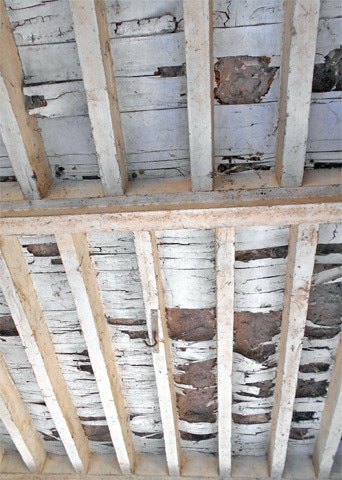
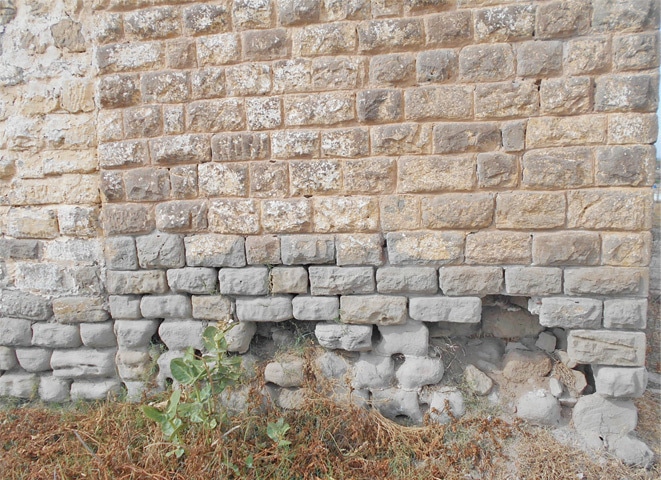
Alas, these heritage buildings in Chakwal district are crumbling fast from official apathy and disregard for history.
“These historic buildings must be preserved,” pleads travel writer Salman Rashid. He reminds that the Antiquities Act 1975 demands that the government protect any building that is 70-year-old.
But, sadly, a letter written by former Chakwal district police officer Munir Masood Marath to the building department to save the five police stations met a different reaction.
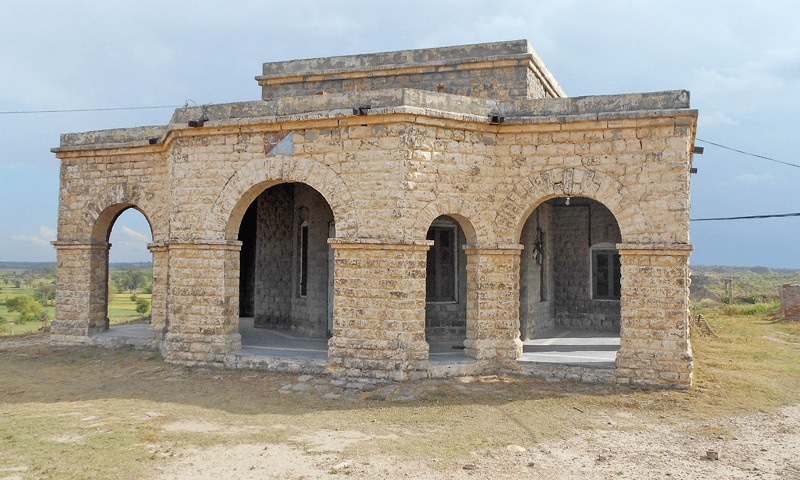
“We are preparing a cost estimate for building new police stations and, according to the plan, old buildings would be razed,” said an official of the building department.
Published in Dawn, April 23rd, 2017