RAWALPINDI: Interior Minister Chaudhry Nisar Ali Khan has ordered the Federal Investigation Agency (FIA) to prepare a new immigration policy that will ensure that persona non grata cannot sneak into the country.
Chairing a high-level meeting — held to review the circumstances under which ‘blacklisted’ US citizen Matthew Craig Barrett was able to secure a Pakistani visa and enter Islamabad — the minister also reviewed a proposal which says that foreign missions abroad should not be allowed to issue visas without the interior ministry’s approval.
An initial report on Barrett’s entry into Islamabad was laid before the meeting, which was attended by top officials from the interior ministry, FIA and local law enforcement agencies. Primary responsibility rests with the visa officer at Pakistan’s consulate in Houston, who issued Barrett a visa within 24 hours of getting his application without checking his record, the report said.
Meeting considers making all visas issued by Pakistani missions subject to interior ministry approval
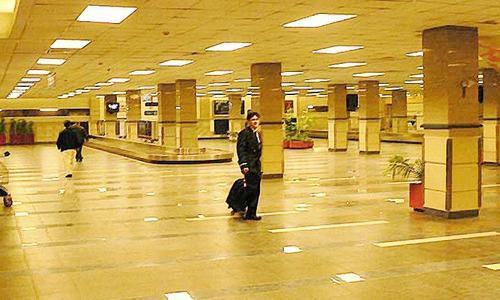
The report also faulted the FIA duty officer at the Benazir Bhutto International Airport for allowing Barrett to enter Islamabad.
An interior ministry statement issued on Sunday singled out Fahad Qayyum, in charge of the Integrated Border Management System, as the individual who had alerted authorities to Barrett’s presence in Islamabad. The minister announced a reward of Rs100,000 for the officer.
Barrett was picked up by law enforcement officials from a guest house in the capital a few hours after he managed to gain entry into the country on Saturday.
Sources told Dawn that the FIA’s immigration staff were not aware of his presence in the country until they were tipped off by an intelligence agency that a ‘blacklisted’ US citizen had been apprehended in Islamabad.
The interior ministry’s statement said that it would be premature to term Barrett a ‘spy’, or link his arrest to the Raymond Davis scandal of 2011. Davis had shot two young men on a motorcycle on a busy street in Lahore, while a car coming to his aid ran over a bystander. His extradition following the payment of blood money to the families of the victims had soured Pak-US relations at the time.
The statement also said that espionage was not one of the reasons why Barrett was blacklisted from entering Pakistan in 2011. However, at the time, police had charged him under Section 123 of the Pakistan Penal Code — which deals with ‘Concealing with intent to facilitate design to wage war’ – ostensibly because he was found in possession of maps and photographs in a restricted area near Fateh Jhang.
Published in Dawn, August 8th, 2016