43
43

There should be a reluctance to mention the two names together. One man, Salmaan Taseer, the late governor of Punjab, was a towering champion of human rights and a historic defender of the marginalised.
Few in contemporary Pakistan have come close to demonstrating the bravery and principles that Taseer embodied.
The other man, Mumtaz Qadri, an assassin, an individual who violated his oath to protect and serve, embodies everything that has gone wrong with state and society in recent years.
Read: Taseer's killer Mumtaz Qadri hanged
Qadri was a criminal and a murderer and the day he was convicted under the country’s anti-terrorism laws, justice was served. Nothing further was going to be gained by putting Qadri to death. Capital punishment has no place in a modern state and a humane society — and that is what Pakistan must aspire to be.
Worrying as it is that the state is determined to keep executing individuals on death row, the national reaction to Qadri’s execution — while a unique case perhaps — demonstrates how far society itself has drifted from the ideals on which this country was founded.
Pakistan is not an extremist society — but extremists find it all too easy to try and project their influence over society.
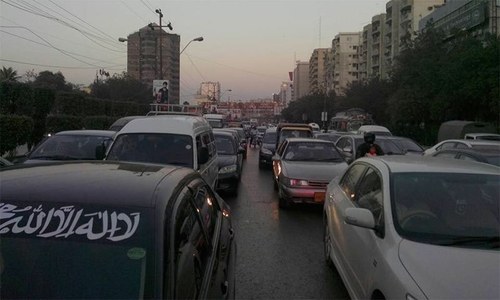
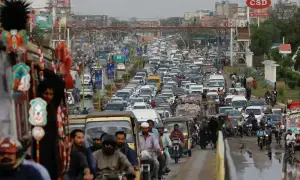
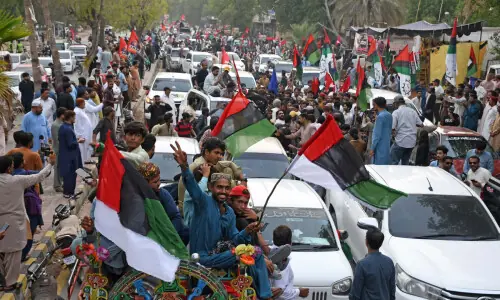
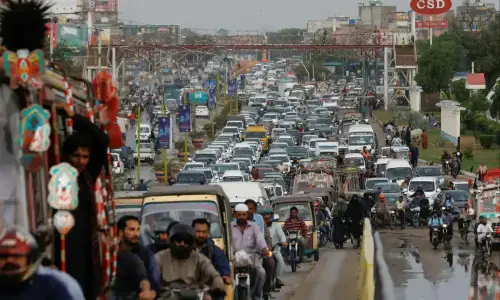
The supporters of Qadri who took to the streets yesterday, vandalised property, forcibly closed markets and caused a huge loss of work hours nationally by denying many people access to their workplaces were clearly not many in number.
Mostly, it appeared that the security apparatus stood back rather than challenge the protesters, a tactic presumably meant to avoid creating flashpoints. But there is a number that must not be forgotten: one. All it took was one man, Qadri, to act on his violent convictions to plunge the nation into a crisis five years ago. On the streets of Pakistan yesterday, there was a frighteningly larger number than one.
On the other side, Salmaan Taseer too was just one man — and he was the rare ray of light and inspiration that the protesters want to make sure never manifests itself again.
Simply, this country needs more Salmaan Taseers and no more violent monsters. Today, as Qadri is buried, the country has a question it must ask itself: what creates the monsters in our midst and how can it be stopped? In truth, the answer is not yet known.
There are ideas mooted — deradicalisation, counter-extremism, etc — but none have been fleshed out as yet. Qadri is gone, but what of the thousands who, in this age of Zarb-i-Azb, intelligence-based operations and NAP, have felt confident enough to spill out into the streets and threaten violence against the state? Where the law is violated, the justice system should take its course — but what happens when the mind itself is broken and twisted? How are those minds to be saved and the rest of society protected from them? Some deep, urgent thinking is needed.
Published in Dawn, March 1st, 2016