0
0

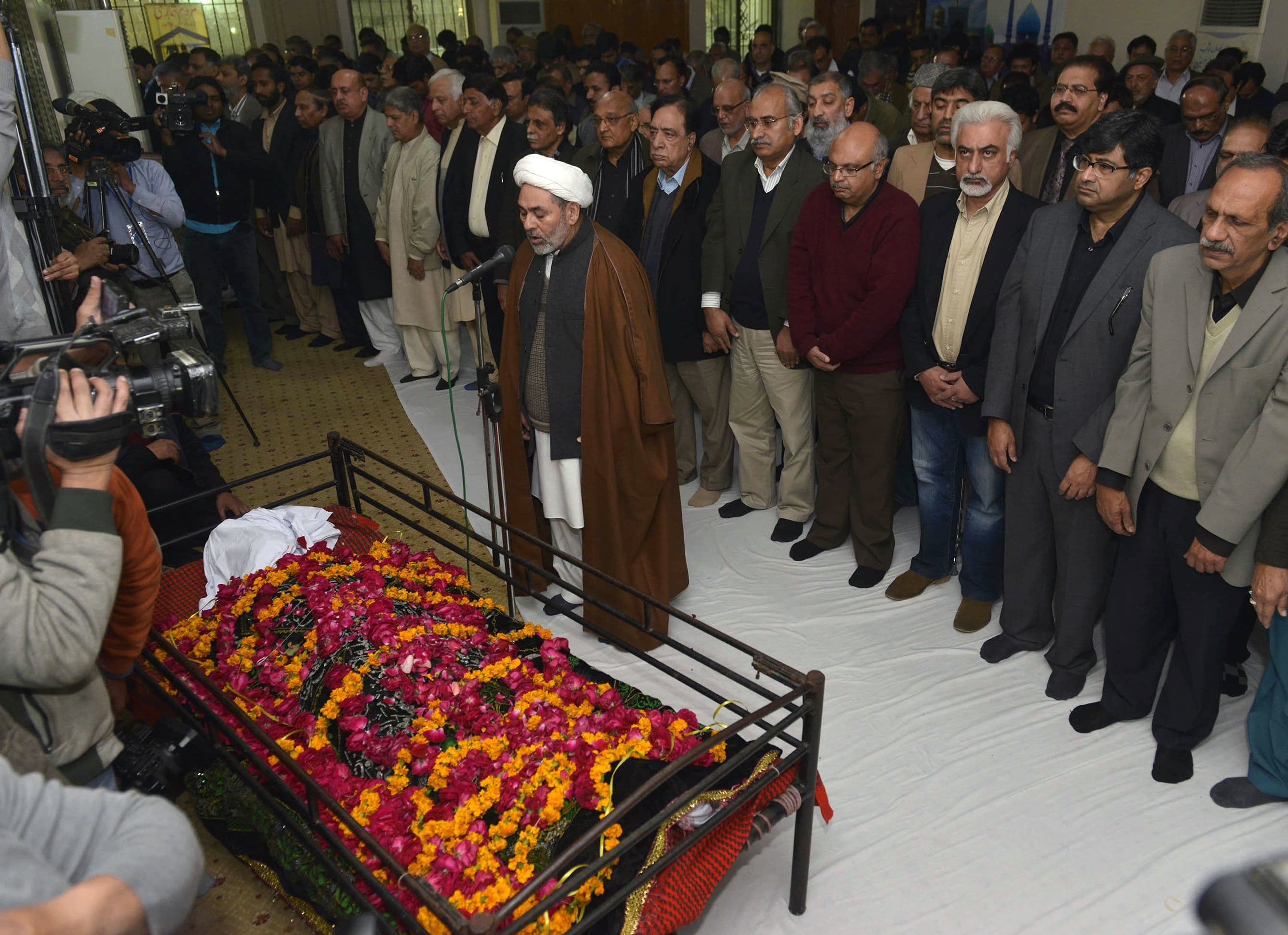
Intizar Hussain, one of the most prominent Urdu fiction writers of our times, is no more. But the dreams and tales he weaved with vivid images, metaphors and allusions will remain with us, as long as there remain questions about cultural identity and human values.
His ability to tell a story in a flowing style with a dreamy touch of realism makes Intizar Hussain stand apart from his peers. He is known and loved for intermingling Urdu fiction with mythology, religious traditions and folktales to create powerful images of contemporary social, political and cultural milieu.
Migration and a deep sense of being uprooted is a recurrent thought in his works, especially his early short stories. Often criticised for being too nostalgic about his early life and cultural background in British India, Intizar Hussain found his voice early in his literary career in depicting characters that were in search of an identity and lost dreams. But migration is a theme of world literature and with conflicts making it a global issue, the fiction based on the émigré psyche is known for striking chords everywhere. Migration was not a mere change of physical environment for him, but it was a spiritual experiment and a dream that he felt had gone sour.
In his subsequent writings, especially in the post-1971 era, Intizar Hussain explored new themes and one of them was loss of humanness and moral values in his fellow countrymen. Without explicit references to the situation in former East Pakistan and the debacle that took place in 1971, Intizar Hussain much mourned in his fiction the loss of humanness, morality and, yet again, dreams gone awry. Still, his fiction retained a streak of hopefulness that he conveyed through a dazzling array of symbols, allegories and fables.
A short story writer, novelist, critic, journalist, translator, travel writer and columnist, Intizar Hussain was born in Dibai, Bulandshahr district of Uttar Pradesh, India. He seemed to enjoy the controversy about his year of birth which, as he told Dawn a few years ago during an interview, was perhaps 1922, 1923 or 1925, though he was pretty much sure about the date and month (Dec 21). Educated in Meerut, he migrated to Pakistan in 1947 and worked for some Lahore newspapers, such as Imroze and Aafaaq. In the daily Mashriq, his column ‘Lahore nama’ became much popular for its language and cultural themes. He had been writing a literary column for Dawn for a long time.
Gali kooche (1951), Kankri (1957), Aakhri aadmi (1957), Shahr-i-afsos (1972), Kachhve (1975), Khaime se door (1986) and Khali pinjra (2008) are some of the collections of his short stories. His novels include Chaand gahan (1952), the much acclaimed Basti (1980) and Tazkira (1987). Aage samandar hai (1995) is his novel written against the backdrop of Karachi’s political milieu and the ‘muhajir factor’. Din aur daastaan (1959) is a novella. Alamaton ka zavaal (1982) is a collection of his critical essays. Chiraghon ka dhuvan (1999) are his memoirs. His autobiography Justujoo kya hai (2012) was received with much enthusiasm by his fans.
Intizar Sahib could not be bracketed with the left but was not a Romantic either. His point of view was basically human and philosophic, always leaning towards enlightenment. Though believed by some critics to be somewhat influenced by Kafka, as his surrealistic images and existentialistic themes suggest, Intizar Hussain has his own, innate style that artistically reveals the inner depths of human psyche and the ugly face of some crude facts of life. Aside from searching for cultural identities, the human race’s inability to maintain their humanness, as put by M.U. Memon, was the biggest concern that Intizar Hussain showed.
Published in Dawn, February 3rd, 2016