3
3
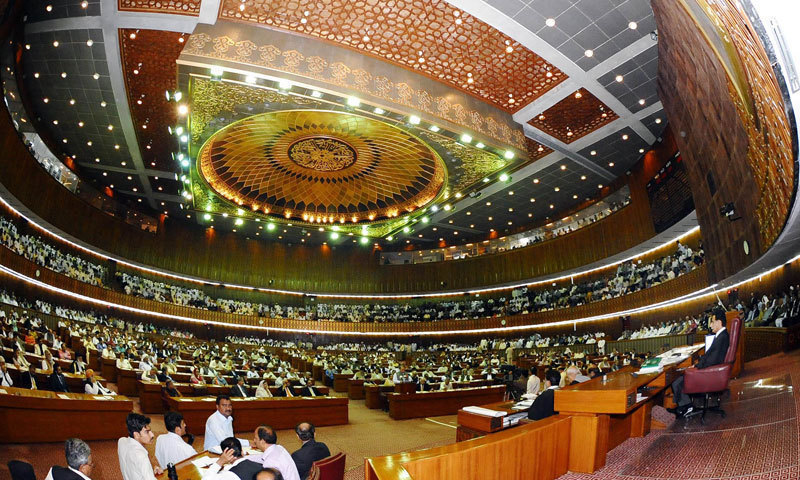

ISLAMABAD: The head of the committee constituted by prime minister to suggest legal and judicial reforms, Chaudhry Muhammad Ashraf Gujjar, briefed the Senate on Thursday on recommendations finalised by the committee to ensure provision of speedy and inexpensive justice to people.
The recommendations include a number of steps such as having different timeframes for resolution of civil and criminal cases, making use of information technology for quick disposal of cases and employing alternative mechanism for dispute resolution.
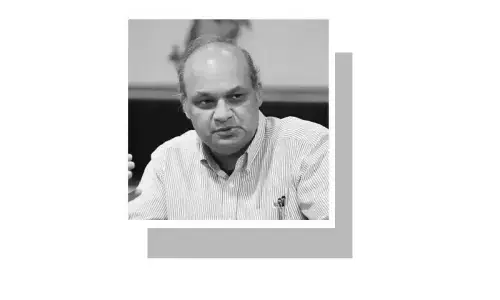
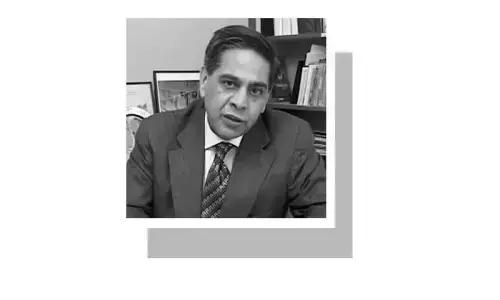
Two former senior police officers, Dr Shoaib Suddle and Afzal Ali Shigri, also made presentations before the Senate, which has transformed itself into a ‘committee of the entire house’ to discuss ways in which the justice system can be improved.
Take a look: Senators want judicial reforms for inexpensive, speedy justice
The former officers called for improving the police system which, they said, would help improve functioning of the judiciary as well.
Mr Gujjar was of the view that early disposal of civil and criminal cases by courts would not be possible unless heavy fines were imposed and strict punishments were given to those registering false and fabricated cases. He proposed punishment of up to seven years’ imprisonment for a person registering a false case.
He suggested that it should be mandatory for the judges to prepare a complete schedule of the hearing of the case, in consultation with the two parties involved and through a “case scheduling conference”, so that no party could violate the schedule.
He also suggested that there should be a minimum and maximum period for disposal of cases and called for increasing the number of judges and magistrates in proportion to the increasing population and mounting number of cases.
Through another recommendation, Mr Gujjar suggested amendments to the Bar Council Act to stop lawyers from observing strikes. Observing strikes by lawyers after receiving fees from clients should be treated as “professional misconduct”. Dr Suddle said the country’s policing system had collapsed and because of the colonial mindset the police system was blamed for the breakdown of law and order and the spectre of terrorism.
In his 90-minute discourse on criminal and police reforms, he offered insights into the international best practices, flaws in the system and means of improvement. He said the recruitment procedures in the police department, if made transparent, could help solve a number of problems. He said that Japan had a conviction rate of 99.97 per cent whereas in Pakistan the rate was only 10 per cent.
Mr Shigri said the real fault of the criminal justice system was not the flawed legal scenario but the non-interpretation of laws.
Published in Dawn, August 21st, 2015
On a mobile phone? Get the Dawn Mobile App: Apple Store | Google Play