0
0

ALMATY: The Soviet Union has gone, the glaciers are getting smaller and in parched oil-rich Central Asia the battle is on for water.
Most of it pours down during the hot summer months from the glaciers of the towering Pamir and Tien Shan mountain ranges, on territory claimed by Tajikistan and Kyrgyzstan.
Downstream, and thirstier by the year, lie their former Soviet “brothers” Turkmenistan, Uzbekistan and Kazakhstan.
“I would not say all is too bad at the moment. But glaciers in the north Tien Shan have shrunk by 30 percent since 1957, and will be half-gone by 2025,” said Asylbek Aidaraliyev, Kyrgyz presidential aide, at an international water conference in the Tajik capital Dushanbe last month.
“The population will grow, rivers will dry up, sown areas will decrease — here is the reason for water conflicts.”
Before the Soviet Union started falling apart a decade ago, water in the five “stans” was managed centrally, and with clockwork precision, to supply the region’s 50 million people.
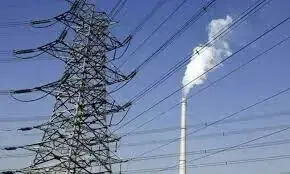
Soviet engineers built giant power stations in the Kyrgyz and Tajik mountains, the source of the two main regional rivers — Syr Darya and Amu Darya. Tajikistan’s Nurek hydropower station, with the second largest dam in the world, alone controls some 40 per cent of the flow of the Amu Darya.
Each summer, Moscow would order upstream Kyrgyzstan and Tajikistan to release water to neighbours below, irrigating wide stretches of orchards, cotton and rice.
In winter, the two kept water in their mountain reservoirs and produced cheap electricity from coal, oil and gas sent by their neighbours in return for precious summer water deliveries.
After the Soviet Union unravelled in 1991, Moscow stopped issuing the orders, the energy system fell apart and farmland turned into salt-laden desert.
—Reuters