|
The situation in the Middle East is worsening day-by-day. The latest reports of a multi-state coalition that may become involved in the battle that is currently raging inside Yemen has only added to apprehensions about the future of the region. In addition, Saudi Arabia’s fears that Iran is expanding its sphere of influence in the Middle East and a likely nuclear deal between the US and Iran is making the kingdom nervous.
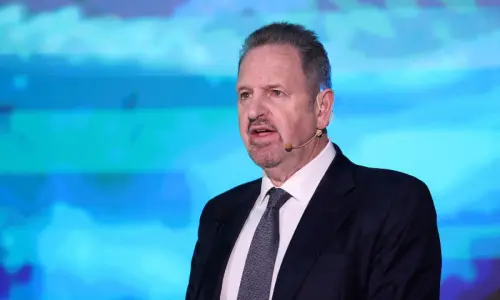
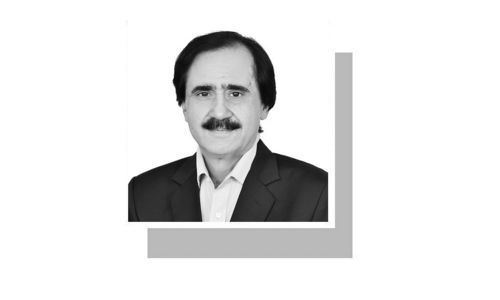
To get some nuance on the nature of the conflict in the Middle East, Dawn spoke to Juan Cole, a commentator with a special focus on the Middle East and South Asia.
Q: To what extent is the situation in the Middle East a sectarian conflict?
A: The conflicts in Syria and Yemen are not mainly about sectarianism. I figure at least a third of Syrian Sunni Arabs are with the Baath regime. In Yemen, the Houthi rebels are Zaidi Shias (very unlike the Twelvers) and have Sunni allies. In Yemen, the Saudis are backing President Abd Rabbo Mansour Hadi, a leftist nationalist, not a religious fundamentalist; he even studied in the Soviet Union!
Q: Do you think the U.S. will be drawn into the conflict in Yemen?
A: The Obama administration was made gun shy about infantry interventions by the Bush administration’s failure in Iraq. It prefers to intervene, if at all, from the air only.
Q: Will US-Iran negotiations have an impact on US-Saudi relations and affect the position of Saudi Arabia in the Middle East?
A: The US alliance with Saudi Arabia is based on the American ability to provide a security umbrella to Riyadh and the kingdom’s willingness to keep oil markets relatively stable. Neither will be affected by better US relations with Iran.
Q: How do you view the future of radical organisations in the region?
A: Radical groups typically flourish in areas under weak governance or bad governance that has alienated local people or left them unprotected.
The future of these radicals depends on whether governments in the region rise to the challenge and do more to bring marginalised people and regions into the nation and make them feel like citizens, and provide them security.
Q: Will these current conflicts in the Middle East lead to further change?
A: In Syria, there is a real chance that the Damascus government will win in the end, as the military in Algeria won its civil war in the 1990s. Egypt is back to de facto military rule.
The Gulf Cooperation Council (GCC) countries are unchanged by the recent turmoil. Daesh won’t be allowed to keep Mosul. So in general the trend is not toward change but toward the reassertion of old elites and return of the status quo.
— Text By Hassan Belal Zaidi
Published in Dawn, March 27th, 2015
On a mobile phone? Get the Dawn Mobile App: Apple Store | Google Play