0
0
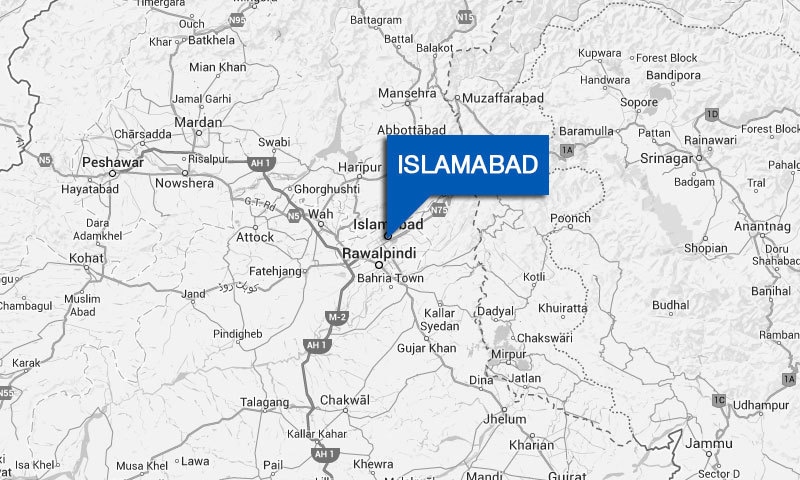

ISLAMABAD: The Capital Development Authority (CDA) on Tuesday raised objections about the World Health Organisation’s (WHO) sample collection methods for detection of poliovirus.
The CDA claimed the WHO team was found using unsterilised equipment which could have compromised the sample.
On Monday, it was disclosed that poliovirus was detected in the environmental sample collected by the WHO from Afghan Basti in sector I-11 in January. The detection of poliovirus in the sample raised questions about the success of the polio vaccination campaigns launched in the recent past.
The news came as a shock for health departments as poliovirus has not been detected in Islamabad since 2007 and the last 11 samples have come out negative.
On Tuesday morning, as the WHO team was collecting a sample of sewage water in I-11, the CDA Health Additional Director Dr Khadijatul Kubra also arrived along with her team.
The CDA claimed that it found that the WHO team was using unsterilised equipment for sample collection and so Dr Khadija stopped the WHO from collecting the sample.
Suggests WHO using same bucket for Rawalpindi and Islamabad led to poliovirus detection in January
CDA Director Health Dr Hassan Urooj told Dawn that following the detection of poliovirus in Islamabad, the CDA decided to send a senior officer to check how the WHO team is collecting their sample.
“Dr Khadija observed that the bottle in which the sample was saved had not been sealed and the bucket which was used to collect the sample was not sterilised. If in January, the WHO team used the same bucket it had used in Rawalpindi, where poliovirus is being detected for two years, then it could contaminate Islamabad sample,” he said. “The WHO team has been requested to collect the sample again on Wednesday morning. We will ensure that the bottle’s seal is broken and sealed again before being sent to National Institute of Health (NIH) for testing,” Dr Urooj said.
In response to a question, the CDA heath director said he is not rejecting the WHO’s report on detection of poliovirus in Islamabad in January.
“However, I am concerned over the procedure adopted for sample collection,” he said.
The director said that the CDA is also awaiting the report on genetic sequence of the virus which would reveal details about the strain of the virus. “It is possible that newcomers carrying the virus arrived at the I-11 slum, leading to the detection of the poliovirus in the environmental sample,” he said.
A Ministry of National Health Services (NHS) official, requesting anonymity, found the CDA’s objections ‘ridiculous’. He said samples are collected carefully and it is not possible that the WHO team of experts used the same bucket for sample collection in Rawalpindi and Islamabad.
“Even if we assume the same bucket was used, let’s remember Rawalpindi’s sample for the month of January came out negative for poliovirus,” he commented.
The official said the environmental sample is the basic parameter for gauging the success of a polio campaign.
“Poliovirus can be reported in any city because of movement of people. However, if the virus is found in the sewerage it means the polio vaccination campaign in the area has failed miserably,” he said.
He said that presence of poliovirus shows the immunity level of the children in the area has been decreased and they are at risk.
WHO Country Representative Dr Michel Thieren told Dawn he is unaware of whether proper procedure was followed for the collection of the sample or if contaminated equipment was used. “I will look into the matter,” he said.
Published in Dawn February 11th , 2015
On a mobile phone? Get the Dawn Mobile App: Apple Store | Google Play