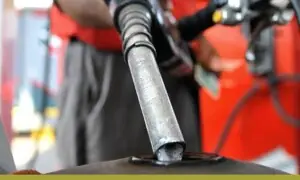
KARACHI: Fall in prices of petrol and diesel, coupled with tight security on the borders, has slowed down sale of Iranian petroleum products in the country at unregistered/ unauthorised outlets, dealers claimed.
However, availability of petrol, especially on the road-sides in various parts of Karachi, is still thriving, giving an impression that Iranian products are still finding way to the city.
Road-side petrol outlets are offering Rs60 per litre price as against the official price of Rs78.28 being sold at petrol stations.
An outlet owner in Liaquatabad said that they have procured petrol from a leading retail station.
Pakistan Petroleum Dealers Association’s Central Chairman Abdul Sami Khan said the retail shops are definitely mixing some additives or other oil products, including kerosene, instead of Iranian petrol, otherwise, they cannot sell below the OMC rates.
PPDA had frequently been asking police and local authorities to stop illegal sale of petrol on roadsides, but the authorities paid no heed to such requests, he said, urging the authorities to check open transportation of petrol in small pick-ups to these shops in various areas.
On sale of Iranian petrol, he said that the Customs had restricted illegal entry of Iranian products from the border, causing a big drop in the arrival of foreign petrol. Many vehicles with Iranian petrol and diesel have also been detained, he added.
Senior Vice-President Balochistan Petroleum Dealers Association, Syed Sarwar Shah, claimed negligible sale of Iranian diesel and petrol as compared to increased sales when prices of Pakistani products were higher.
Drop in petrol and diesel prices in Pakistan has made Iranian products unfeasible. People now prefers locally produced oil products which are now in high demand after a steep price fall.
A number of people have switched over to petrol from CNG. People are realising that Iranian products are inferior in quality and are a threat to vehicles’ engine, he said.
Till last year, there had been a big difference of Rs8 to 15 per litre in petrol and diesel prices as compared to Iranian products, but now the price gap has become negligible.
When asked that Iranian oil products prices have also fallen after persistent fall in world crude oil prices, he said despite those reasons, our low-priced petrol and diesel is making entry of Iranian products unworkable.
President Punjab Petroleum Dealers Association Chaudhry Irfan said that the issue of sale of Iranian petrol and diesel is non-existent in Punjab.
General Secretary of Sarhad Petroleum Dealers Association Khalid Khan said sale of Iranian oil products has never been a serious issue in Khbyer Paktunkhwa after General Pervaiz Musharraf’s government.
Prices of petrol and diesel were over Rs108 and Rs112 respectively three months back as compared to their current price of Rs78.28 and Rs86.23.
Published in Dawn January 24th , 2015
On a mobile phone? Get the Dawn Mobile App: Apple Store | Google Play