259
259


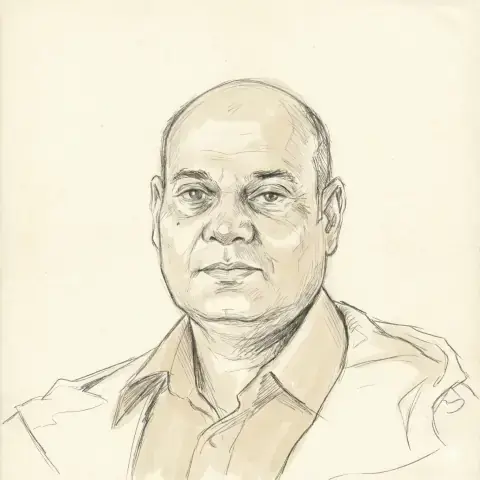
ISLAMABAD: Chairman of the Council of Islamic Ideology (CII) Maulana Mohammad Khan Sheerani has said a Muslim woman cannot object to the second or subsequent marriages of her husband.
Presiding over a meeting of the council here on Tuesday, he said a woman could not demand divorce if her husband married a second, third or fourth time.
He said Islam had given the women the right to separate from her husband, but another marriage could not be a valid ground for doing so.
The council discussed the relevant section of the Muslim Divorce Act, 1939, and observed that it was against Sharia.
We want the government to repeal this section, Maulana Sheerani said.
Maulana Sheerani says Islam gives a woman right to seperation, but second marriage of husband is not a valid ground
A woman can seek divorce under various circumstances and Clause (F) of Section 2 of the Act says: “If he has more than one wife, does not treat her equitably in accordance with the injunctions of the Holy Quran.”
Later talking to newsmen, the CII chief said the law needed amendment. The woman could seek separation if she was treated with inequality or cruelty, he said.
Talking about child marriage, he said nikah was justified only if it had been solemnised by the father or the grandfather of the girl in good faith and not as part of a ritual, but “rukhsati before attaining the age of 18 years is not allowed in Islam”.
He said if a man was jailed for seven years, it could not be a valid reason for separation because the sentence could be condoned well before that period.
On May 22 this year, the council had ruled that a girl as young as nine years of age is eligible for marriage if the signs of puberty are visible.
Maulana Sheerani had said at that time that the concept of minimum age of marriage, which is 18 years under the law, was not in accordance with Islam.
“As per the Islamic point of view marriage age is nine years for those girls who have visible signs of puberty and the same is 12 years for boys, but they both become eligible for marriage at the age of 15 years,” he had announced five months ago.
Tuesday’s CII meeting was the fourth this year to have focused on marriage laws.
The meeting also reviewed various laws, including the Protection of Pakistan Act, the National Security Policy, the code of conduct to prevent sectarian terrorism and sex education in the curriculum.
On March 10 this year, the council noted that the laws regarding second marriage by a man in the presence of the first wife were against Sharia.
“Sharia allows men to have more than one wife and we demanded the government to amend the relevant laws where a person has to seek prior permission from the existing wife / wives,” the CII chief had said in the meeting.
Maulana Sheerani, who is also an MNA of JUI-F, had told media after that meeting that the CII had suggested to the government to amend the marriage laws as Sharia has clearly defined provisions of up to four marriages by a man and this was easy to understand and follow.
Published in Dawn, October 22nd, 2014