0
0

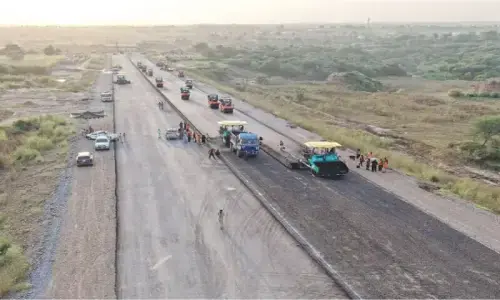
ISLAMABAD: The sustainable development in the Asia and the Pacific requires as much as $2.5 trillion investment a year to close the region’s infrastructure gaps.
This amount represents only 7.5 per cent of the $33tr held by affluent individuals in the region at the end of 2012, Dr Shamshad Akhtar, head of UN Regional Commission for Asia and the Pacific, revealed in her presentation to a high-level meeting on sustainable development financing held in Jakarta on Tuesday.
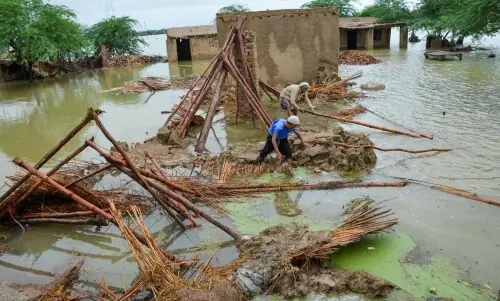
She said the region has vast savings which should be mobilised to finance sustainable development to provide universal access to social protection, health, and education, and implement measures to mitigate climate change.“Governments now have to look beyond their own revenues and tap private sector resources in the social and environmental sectors, by creating a better enabling environment and incentivising appropriately to compensate for risks and returns,” she emphasised.
Shamshad highlighted the importance of developing well-diversified and competitive financial systems, capable of extending finance to address people’s needs and the region’s development.
She called on the policy makers to work together with the private sector to improve the functioning of capital markets, institutions and regulatory frameworks, to foster the development of domestic institutional investors and to help build capacities especially in least developed countries.
Finance Minister Dr Chatib Basri of Indonesia remarked that the poor bear the brunt of deficiencies in the provision of public infrastructure in areas such as transport, electricity and sanitation.
Pertti Majanen, Co-chair of the Intergovernmental Committee of Experts on Sustainable Development Financing, said the most important yardstick for the evaluation of the work of the committee will be how well its recommendations will be implemented, for which a critical element will be the mainstreaming of national policies and sustainable development financing into national budgets.
As agreed by world leaders at Rio+20, the global development agenda is expanding beyond poverty reduction and the Millennium Development Goals, incorporating issues such as infrastructure, social development, as well as climate change mitigation and adaptation.
Published in Dawn, June 11th, 2014