7
7


MIRAMSHAH: A TTP militant claiming to be the Peshawar district chief of the banned group has accepted responsibility for Tuesday evening’s suicide attack on a hotel that left nine people dead.
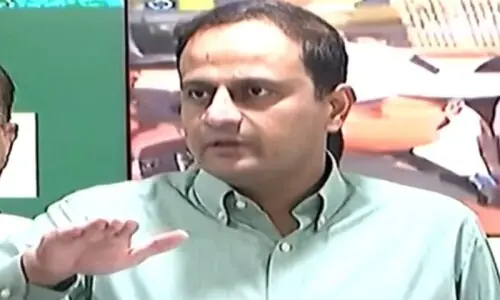
Although the Tehreek-i-Taliban Pakistan had denied its involvement in the explosion at Pak Hotel in Koocha Risaldar locality of the old city area, Mufti Hasaan Swati told reporters on Wednesday that the bombing had been carried out to avenge an attack on a seminary in Rawalpindi in November.
“It was carried out to avenge the death of innocent students of Madressah Taleemul Quran.”
He said the attack on the hotel, mostly used by visitors from Parachinar, was part of revenge attacks that included the killing of Tehreek Nifaz Fiqah-i-Jafria Pakistan leader Ali Asghar and a bank manager from a particular sect in different parts of Peshawar district.
“The attacks were carried out to fulfil the wish of our central deputy emir Shaikh Khalid Haqqani to avenge the death of innocent students in Rawalpindi,” Hasaan said.
Hasaan is a member of the TTP’s supreme shura but it is not clear when he was appointed the Peshawar chief of the group.
The TTP’s central spokesman Shahidullah Shahid who had earlier stated that his group had nothing to do with the attack was not available for his reaction to the claim made by Hasaan.
Security sources acknowledged that Hasaan’s name had figured in communication intercepts some time ago.
How this development would impact the nascent peace process between the government and the militants was not clear but a member of the negotiating committee appointed by the Taliban said he would check with the TTP before making any comment.
“As far as we know the TTP has denied its involvement in the bombing. We shall contact them and ask them about this new claim,” the Jamaat-i-Islami’s Prof Mohammad Ibrahim Khan, one of the three members of the committee, told Dawn.
Irfan Siddiqui, coordinator of the government committee, said he would wait for a formal reaction from the TTP spokesman.
Mr Siddiqui said efforts to reach out to the TTP committee to schedule a meeting had failed. “We are waiting to hear from them.”
Hasaan said the attacks would not undermine peace talks with the government but as long as there was no ceasefire as a result of the talks, militants would continue their activities.
With a TTP banner in the background, Hasaan was accompanied by Haroon Khan, alias Mast Gul, a leader of the Hezbul Mujahideen who had risen to fame following a gun battle with Indian security forces and his dramatic escape from Charrar-i-Sharif in India-held Kashmir in 1995. He hails from Sadda in Kurram tribal region.
He was given a hero’s welcome by the Jamaat-i-Islami which showcased him at public meetings but later distanced itself from him after finding him to be violating the organisation’s discipline.
The 47-year-old militant survived an ambush near Peshawar in August 2003 and little was known about his whereabouts since then.
Hasaan said he had tasked Mast Gul, whom he described as a militant “commander” for Peshawar, to carry out the attacks.