ISLAMABAD, Sept 26: After the summer break, cultural events resumed at the Pakistan National Council of the Arts (PNCA) when it opened its doors to visitors to have a glimpse of the rich art of Sindh on Thursday.
An exhibition titled “Sindh: a mystical journey” was arranged by the Asian Study Group in collaboration with the PNCA. Australian Deputy High Commissioner Paul Molloy, diplomats and art lovers from the capital attended the function.
Abdul Hameed Akhund, a former secretary culture Sindh and co-author of book Tale of the Tile, gave presentation on the history, culture, crafts and music of Sindh. Another exhibition was also arranged to showcase the Sindhi crafts and truck art.
Sindhi crafts, including block printing, embroidery with colourful threads and mirror pieces attracted the visitors.
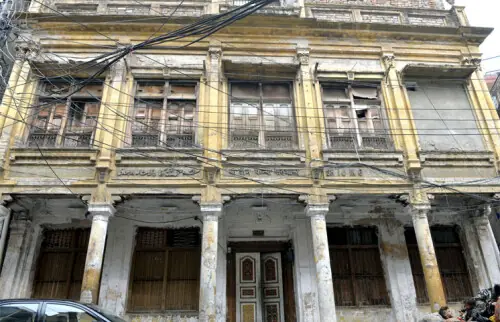
Speaking on the occasion, the Australian deputy high commissioner said he was impressed by the rich culture of Sindh. “Let me say - like US former President John F. Kennedy said during his visit to West Berlin ‘I am Berliner’ - I am Sindhi.” He said he was the admirer of Sindh’s culture and Karachi. “Mohata Palace in Karachi is my favourite place,” he added.
During the speech, the envoy put a Sindhi cap on his head and kept it wearing until the function concluded. He stated that the research work by Abdul Hameed Akhund presented the picture how the people lived in Sindh centuries ago.
Giving a brief history of Sindh, Hameed Akhund said: “Sindh’s culture has the influence of Greek, Roman, Persian, Central Asian and Muslim cultures. Sindh also exported its craft and culture to these areas as many of its customs and other ancient civilisations have similarities,” he said.
He explained that the borders of Sindh had shrunk during the last many centuries otherwise it could touch Kashmir. He said the Sindhi civilisation was mentioned in Rug Waid and other holy books of Hindus. “Some coins of the ancient civilisations found in Sindh indicate the presence of Hindu King Krishan here in the past,” he said.
He also explained the similarities among musical instruments of Sindh, Spain, Saudi Arabia, Egypt and Syria. “The tradition of mystical music is also similar to other Muslim countries,” he said.