0
0


ISLAMABAD: The Election Commission of Pakistan (ECP) has finalised the security plan for polling day in the wake of increasing terrorist attacks on political parties in the run-up to the May 11 election.
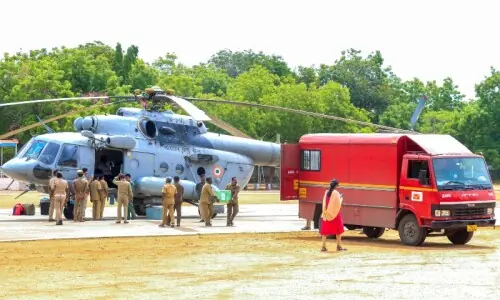
According to the plan, the army will be utilised as a quick response force with 20 to 30 personnel in each squad.
An ECP source said that about 30,000 soldiers will be deployed in the quick response force to deal with any emergency situation on polling day. As per plan, security personnel on all polling stations throughout the country will be deployed on May 10.
There will be seven security personnel deployed on each of the most sensitive polling stations, five on moderately sensitive stations, and four at the remaining.
The measures come as part of the ECP’s steps to ensure security during the historic general elections on May 11, the first time that a second successive democratic government would be elected in Pakistan.
Pakistan has witnessed a recent surge in violence targeting election rallies and campaign, raising security concerns with the May 11 polls less than two weeks away.
Meanwhile, Prime Minister Justice (R) Mir Hazar Khan Khoso on Wednesday also decided to place the National Crises Management Cell, presently working under the Ministry of Interior, at the disposal of the ECP.
The NCMC is repository of various assets including representatives of intelligence agencies and specialised services.
This decision was taken by the prime minister to allay concerns raised by the ECP regarding the law and order situation.
The prime minister said that though maintenance of law and order was a provincial subject, the federal government has been extending all possible assistance to the provincial governments for beefing up their capacities in this regard.
Subsequently, a high level meeting was convened, which was attended by the chief ministers and chief secretaries of all the provinces, representatives of the federal and provincial law enforcement agencies, besides representatives of intelligence agencies to discuss the mechanism for implementation of the decisions of the cabinet.
The Prime Minister is personally monitoring the situation, and is in touch with the provincial governments as well as the federal authorities.